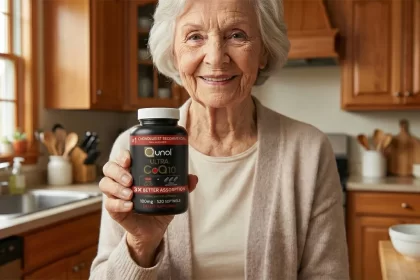



Getting the right vitamins and minerals becomes increasingly important as we age. For adults over 70, the body’s ability to absorb nutrients from food often declines, while the need for certain nutrients actually increases. Whether you’re managing a chronic condition, staying active, or simply trying to maintain your independence and vitality, understanding which vitamins matter most can make a significant difference in your quality of life.

This guide covers the most essential vitamins and minerals for seniors over 70, including recommended daily dosages, warning signs of deficiency, and the best food sources to help you meet your nutritional needs.
Why Nutritional Needs Change After 70
The aging process affects nearly every system in the body, including how efficiently we absorb and use nutrients. After age 70, several key changes occur that increase the risk of nutritional deficiencies:
- Reduced stomach acid production makes it harder to absorb vitamin B12, calcium, and iron from food.
- Less time outdoors and reduced skin efficiency limits the body’s ability to synthesize vitamin D from sunlight.
- Decreased appetite and smaller meal portions can lead to insufficient intake of multiple nutrients.
- Medication interactions can deplete or block the absorption of certain vitamins and minerals.
According to the National Institute on Aging (NIA), some people over age 50 have trouble absorbing the vitamin B12 found naturally in foods and may need supplements or fortified foods to meet their needs.
Vitamin D: The Sunshine Vitamin Every Senior Needs
Vitamin D is arguably the most critical nutrient for seniors over 70. It plays a central role in calcium absorption, bone density, immune function, and even mood regulation. Despite its importance, vitamin D deficiency is extremely common among older adults, particularly those who spend limited time outdoors or live in northern climates.
Recommended Dosage
Adults over 70 need at least 20 mcg (800 IU) of vitamin D per day, according to the NIA. Many healthcare providers recommend higher amounts — often 1,000–2,000 IU daily — especially for those with confirmed deficiency. Always consult your doctor before taking high-dose supplements.
Signs of Deficiency
- Bone pain or tenderness
- Muscle weakness or fatigue
- Frequent infections or illness
- Depression or low mood
- Slow wound healing
Best Food Sources
Fatty fish (salmon, tuna, mackerel), egg yolks, fortified milk, fortified orange juice, and mushrooms exposed to UV light are among the best dietary sources of vitamin D.
Vitamin B12: Essential for Brain and Nerve Health
Vitamin B12 is vital for maintaining healthy nerve cells, producing red blood cells, and supporting brain function. Unfortunately, up to 30% of adults over 50 have some degree of B12 malabsorption due to reduced stomach acid — a condition that becomes even more common after 70.
Recommended Dosage
The recommended daily intake for adults is 2.4 mcg per day. However, because absorption from food becomes less efficient with age, many seniors benefit from higher doses through supplements or fortified foods, which are absorbed differently and do not require stomach acid.
Signs of Deficiency
- Fatigue and weakness
- Numbness or tingling in hands and feet
- Memory problems or confusion
- Balance difficulties
- Pale or jaundiced skin
- Mood changes, including depression
Best Food Sources
Animal products are the primary natural sources: beef, liver, clams, fish, poultry, eggs, and dairy. Fortified cereals and plant-based milks are good options for those who eat less meat.
Calcium: Building Blocks for Strong Bones
Calcium is the most abundant mineral in the human body and is essential for maintaining strong bones and teeth, as well as supporting muscle function, nerve transmission, and heart health. After age 70, bone density naturally declines, making adequate calcium intake critical for preventing osteoporosis and fractures.
Recommended Dosage
Both men and women over 70 need 1,200 mg of calcium per day. It is best to get calcium from food rather than supplements when possible, as some research suggests high-dose calcium supplements may be associated with cardiovascular risks.
Signs of Deficiency
- Brittle or weak nails
- Muscle cramps and spasms
- Numbness or tingling in fingers
- Osteoporosis or frequent fractures
- Dental problems
Best Food Sources
Dairy products (milk, yogurt, cheese), fortified plant milks, canned sardines and salmon with bones, tofu made with calcium sulfate, kale, broccoli, and almonds.
Magnesium: The Overlooked Mineral for Seniors
Magnesium is involved in over 300 enzymatic reactions in the body, including energy production, protein synthesis, muscle and nerve function, blood glucose control, and blood pressure regulation. Studies suggest that many older adults do not get enough magnesium from their diets, and deficiency is linked to increased risk of cardiovascular disease, type 2 diabetes, and osteoporosis.
Recommended Dosage
Men over 70 need 420 mg per day, and women over 70 need 320 mg per day.
Signs of Deficiency
- Muscle cramps or twitching
- Fatigue and weakness
- Irregular heartbeat
- Nausea or loss of appetite
- Sleep disturbances
Best Food Sources
Pumpkin seeds, almonds, spinach, black beans, avocado, dark chocolate, whole grains, and fatty fish.
Vitamin B6: Supporting Brain Health and Immunity
Vitamin B6 plays a key role in protein metabolism, immune function, and the production of neurotransmitters like serotonin and dopamine. Adequate B6 intake is associated with better cognitive function and a reduced risk of depression in older adults.
Recommended Dosage
Men over 50 need 1.7 mg per day; women over 50 need 1.5 mg per day.
Best Food Sources
Poultry, fish (especially tuna and salmon), potatoes, starchy vegetables, and non-citrus fruits.
Vitamin C: Immune Defense and Antioxidant Power
Vitamin C is a powerful antioxidant that supports immune function, collagen production, wound healing, and the absorption of iron from plant-based foods. As we age, the immune system naturally weakens — a process called immunosenescence — making adequate vitamin C intake particularly important.
Recommended Dosage
Men need 90 mg per day; women need 75 mg per day. Smokers need an additional 35 mg per day.
Best Food Sources
Citrus fruits (oranges, grapefruit), bell peppers, strawberries, broccoli, kiwi, and tomatoes.
Vitamin K: Bone Strength and Blood Clotting
Vitamin K is essential for blood clotting and plays an important role in bone metabolism. Vitamin K2 in particular has been shown to support bone density and may help reduce the risk of fractures. Seniors taking blood thinners like warfarin should be careful about vitamin K intake and consult their doctor.
Recommended Dosage
Men need 120 mcg per day; women need 90 mcg per day.
Best Food Sources
Leafy green vegetables (kale, spinach, collard greens), broccoli, Brussels sprouts, and fermented foods like natto (a rich source of K2).
Omega-3 Fatty Acids: Heart and Brain Health
While not technically a vitamin, omega-3 fatty acids are essential nutrients that deserve mention for seniors over 70. They support cardiovascular health, reduce inflammation, support brain function, and may help reduce the risk of age-related macular degeneration.
Best Food Sources
Fatty fish (salmon, mackerel, sardines, herring), flaxseeds, chia seeds, walnuts, and fish oil supplements.
Should Seniors Take a Multivitamin?
A high-quality multivitamin formulated for seniors can serve as a convenient nutritional safety net, helping to fill gaps in the diet. However, multivitamins are not a substitute for a healthy diet, and more is not always better. Taking excessive amounts of certain vitamins — particularly fat-soluble vitamins like A, D, E, and K — can be harmful.
Before starting any new supplement regimen, it is strongly recommended to consult with your physician or a registered dietitian. They can review your current medications for potential interactions and recommend appropriate dosages based on your individual health status and bloodwork.
Tips for Getting More Nutrients from Food
- Eat a colorful plate: A variety of colorful fruits and vegetables ensures a broad range of vitamins and antioxidants.
- Choose fortified foods: Fortified cereals, plant milks, and orange juice can help boost intake of B12, D, and calcium.
- Prioritize protein: Adequate protein intake supports muscle mass and helps the body use B vitamins effectively.
- Stay hydrated: Dehydration can affect nutrient absorption and overall health.
- Limit alcohol: Alcohol interferes with the absorption and metabolism of several vitamins, including B vitamins and vitamin D.
Frequently Asked Questions
Why are vitamins especially important for seniors over 70?
As we age, our bodies undergo changes that affect nutrient absorption and increase the risk of deficiencies. These changes make it crucial for seniors over 70 to pay close attention to their vitamin and mineral intake to support overall health, bone density, cognitive function, and immune system strength.
Which vitamins are most critical for seniors over 70?
Key vitamins for seniors over 70 include Vitamin D for bone health and immunity, Vitamin B12 for nerve function and energy, Calcium for strong bones, Vitamin B6 for brain health, and Vitamin C for immune support. Magnesium, Vitamin K, and Omega-3 fatty acids are also highly important.
What are common signs of vitamin deficiency in older adults?
Signs can vary but may include fatigue, weakness, memory issues, balance problems, weakened immune function, and bone fragility. Vitamin B12 deficiency can cause neurological symptoms, while Vitamin D deficiency contributes to bone loss and muscle weakness.
Can taking too many vitamins be harmful?
Yes, excessive amounts of certain vitamins — especially fat-soluble ones like A, D, E, and K — can be harmful. Some supplements can also interact negatively with medications. Always discuss any new supplements with your doctor or pharmacist.
Is it better to get vitamins from food or supplements?
Food is always the preferred source of nutrients because whole foods contain a complex mix of vitamins, minerals, fiber, and other beneficial compounds that work synergistically. Supplements are best used to fill specific gaps identified through blood tests or dietary assessment.