


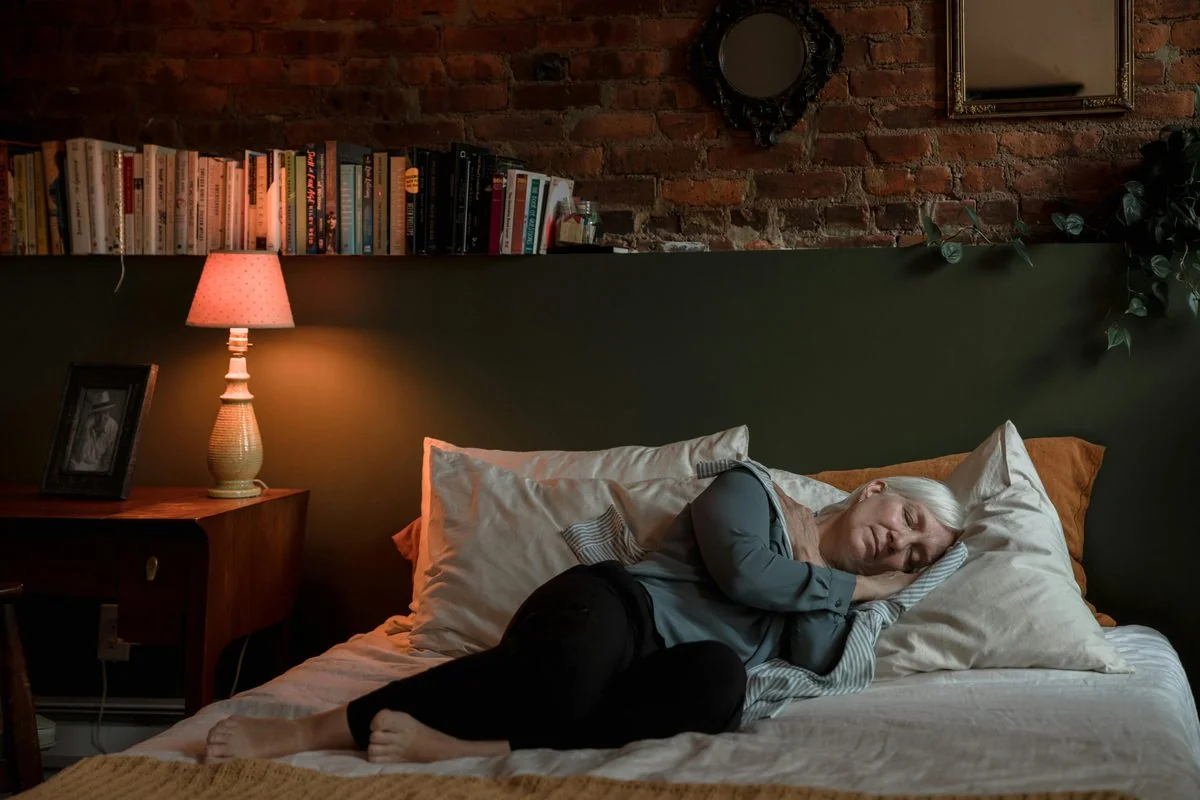
A good night’s sleep is one of the most powerful things you can do for your health — and yet, for millions of seniors, it remains frustratingly out of reach. If you find yourself lying awake at night, waking up too early, or feeling exhausted despite spending hours in bed, you are far from alone. According to the National Institute on Aging, insomnia is the most common sleep problem in adults aged 60 and older, affecting up to 50% of this population.

The good news is that poor sleep is not an inevitable part of aging. With the right strategies — from improving sleep hygiene to exploring natural supplements — most seniors can significantly improve the quality and duration of their sleep without relying on prescription medications.
Why Seniors Sleep Differently: The Science Behind the Change
Understanding why sleep changes with age is the first step toward fixing it. Several biological and lifestyle factors contribute to disrupted sleep in older adults:
Circadian Rhythm Shifts
The body’s internal clock, or circadian rhythm, tends to shift forward with age — a phenomenon called “advanced sleep phase.” This means seniors often feel sleepy earlier in the evening and wake up earlier in the morning. The result can be difficulty staying asleep through the night and feeling unrested.
Reduced Melatonin Production
Melatonin, the hormone that signals to the brain that it is time to sleep, is produced in smaller quantities as we age. Lower melatonin levels make it harder to fall asleep and stay asleep, particularly in the early morning hours.
Medical Conditions and Medications
Chronic conditions common in older adults — including arthritis, heart disease, diabetes, depression, and chronic pain — can significantly disrupt sleep. Additionally, many medications used to treat these conditions, such as diuretics, beta-blockers, and corticosteroids, can interfere with sleep quality.
Reduced Deep Sleep
Older adults spend less time in slow-wave (deep) sleep and more time in lighter sleep stages, making them more easily awakened by noise, light, or physical discomfort. This lighter sleep is less restorative, contributing to daytime fatigue even after a full night in bed.
Sleep Hygiene: The Foundation of Better Sleep
Sleep hygiene refers to a set of daily habits and environmental conditions that promote consistent, high-quality sleep. For seniors, these practices are often the most effective and safest first line of treatment for sleep problems.
Maintain a Consistent Sleep Schedule
Going to bed and waking up at the same time every day — including weekends — is one of the most powerful things you can do to regulate your circadian rhythm. Even if you had a poor night’s sleep, resist the urge to sleep in, as this can make the next night even harder.
Create a Sleep-Friendly Environment
- Keep the bedroom cool: A room temperature between 65–68°F (18–20°C) is ideal for most people.
- Block out light: Use blackout curtains or a sleep mask to minimize light exposure.
- Reduce noise: Use earplugs or a white noise machine if noise is a problem.
- Reserve the bed for sleep: Avoid watching TV, reading, or using devices in bed, as this weakens the mental association between bed and sleep.
Limit Stimulants and Alcohol
Caffeine can remain in the body for up to 8 hours, so it is best to avoid coffee, tea, and caffeinated sodas after noon. While alcohol may initially make you feel drowsy, it disrupts sleep architecture and causes more frequent nighttime awakenings.
Get Regular Exercise
Physical activity is one of the most evidence-backed natural sleep aids available. Regular moderate exercise — such as walking, swimming, or yoga — helps regulate the circadian rhythm, reduces anxiety, and promotes deeper sleep. Aim for at least 30 minutes of moderate activity most days, but avoid vigorous exercise within 2–3 hours of bedtime.
Natural Supplements for Senior Sleep
For seniors who have tried sleep hygiene improvements without sufficient results, certain natural supplements may provide additional support. Always consult your doctor before starting any new supplement, as interactions with medications are possible.
Melatonin
Melatonin is the most widely used sleep supplement among older adults. Research suggests it is most effective for resetting the sleep-wake cycle — particularly for jet lag or shift work — and for reducing the time it takes to fall asleep. For seniors, a low dose of 0.5–1 mg taken 30–60 minutes before bed is generally recommended, as higher doses are not necessarily more effective and may cause grogginess the next morning.
Magnesium
Magnesium plays several roles in sleep regulation: it activates the parasympathetic nervous system (the “rest and digest” system), regulates melatonin production, and binds to GABA receptors in the brain to promote relaxation. Studies have found that magnesium supplementation can improve sleep quality, sleep duration, and early morning awakening in older adults. Magnesium glycinate or magnesium citrate are generally the best-tolerated forms.
Valerian Root
Valerian is an herbal supplement with a long history of use as a sleep aid. Research results are mixed, but some studies suggest it may reduce the time to fall asleep and improve sleep quality, particularly with regular use over several weeks. It is generally considered safe for short-term use.
L-Theanine
Found naturally in green tea, L-theanine promotes relaxation without causing drowsiness. It may help reduce anxiety and improve sleep quality, particularly for those whose sleep problems are related to stress or racing thoughts.
Establishing a Relaxing Bedtime Routine
A consistent pre-sleep routine signals to your brain that it is time to wind down. Consider incorporating some of the following into your evening routine:
- Take a warm bath or shower 1–2 hours before bed (the drop in body temperature afterward promotes sleepiness)
- Practice gentle stretching or yoga
- Read a physical book (not on a backlit screen)
- Listen to calming music or a sleep meditation
- Write in a journal to clear your mind of worries
- Drink a cup of herbal tea (chamomile, passionflower, or valerian)
Managing Naps Wisely
While napping can be beneficial for seniors — particularly those who did not sleep well the night before — poorly timed or overly long naps can make nighttime sleep worse. If you nap, keep it to 20–30 minutes and schedule it in the early afternoon (before 3 PM). Avoid napping within 4–5 hours of your intended bedtime.
When to See a Doctor About Sleep Problems
While lifestyle changes and natural supplements help many seniors, some sleep problems require professional evaluation and treatment. You should consult your doctor if you experience:
- Loud snoring or gasping during sleep (possible signs of sleep apnea)
- An irresistible urge to move your legs at night (restless legs syndrome)
- Acting out dreams physically (REM sleep behavior disorder)
- Persistent insomnia lasting more than 3 months
- Excessive daytime sleepiness that interferes with daily activities
Cognitive Behavioral Therapy for Insomnia (CBT-I) is considered the gold standard treatment for chronic insomnia and has been shown to be more effective than sleep medications in the long term, with no side effects. Ask your doctor about a referral to a sleep specialist or CBT-I therapist.
A Note on Sleep Medications
Many seniors turn to over-the-counter sleep aids containing antihistamines (such as diphenhydramine or doxylamine). While these may provide short-term relief, they are not recommended for long-term use in older adults. They can cause daytime drowsiness, confusion, dry mouth, constipation, and urinary retention — and some research links long-term use to an increased risk of dementia. Prescription sleep medications also carry significant risks for seniors, including falls and cognitive impairment.
Frequently Asked Questions
How much sleep do seniors actually need?
Older adults need the same amount of sleep as younger adults — seven to nine hours per night. The quality of sleep often changes with age, but the need for adequate rest does not diminish.
Is it normal to wake up multiple times during the night as a senior?
Some degree of lighter sleep and occasional nighttime awakening is common with aging. However, if you regularly wake up multiple times and struggle to fall back asleep, it is worth addressing with your doctor, as it may indicate an underlying sleep disorder or medical condition.
Can melatonin and magnesium be taken together?
Generally, yes — melatonin and magnesium can be taken together and may have complementary effects on sleep. However, always consult your doctor first, especially if you are taking other medications.
What is the best natural sleep aid for seniors?
Sleep hygiene improvements are the most effective and sustainable approach. Among supplements, low-dose melatonin and magnesium glycinate have the strongest evidence base for seniors. CBT-I is the most effective non-medication treatment for chronic insomnia.
Can exercise really improve sleep quality in seniors?
Yes. Multiple studies have confirmed that regular moderate exercise improves sleep quality, reduces the time to fall asleep, and decreases nighttime awakenings in older adults. Even a daily 30-minute walk can make a meaningful difference.