


Finding the Best Supplements for Joint Pain in Seniors: What Actually Works in 2026
Joint pain can be a tough companion as we age, especially for seniors who want to stay active and independent. If you’re searching for the best supplements for joint pain in seniors, you’re not alone. Many older adults look for natural ways to ease discomfort and improve mobility without relying solely on prescription medications. In this article, we’ll explore the most effective supplements backed by science and real-world experiences, helping you make informed choices for your joint health.
Why Seniors Need Targeted Support for Joint Pain
As we grow older, the cartilage cushioning our joints tends to wear down, leading to stiffness, inflammation, and pain. Conditions like osteoarthritis become more common, and everyday activities can feel challenging. While exercise and a balanced diet are essential, supplements may offer additional relief by targeting inflammation, supporting cartilage repair, and improving joint lubrication.
Before adding any supplement to your routine, it’s always a good idea to chat with your healthcare provider, especially if you’re taking other medications or have underlying health conditions.
The Best Supplements for Joint Pain in Seniors: What Science Says
Let’s dive into some of the leading supplements seniors are turning to in 2026. These options have demonstrated benefits in reducing joint pain, improving flexibility, and supporting overall joint health.
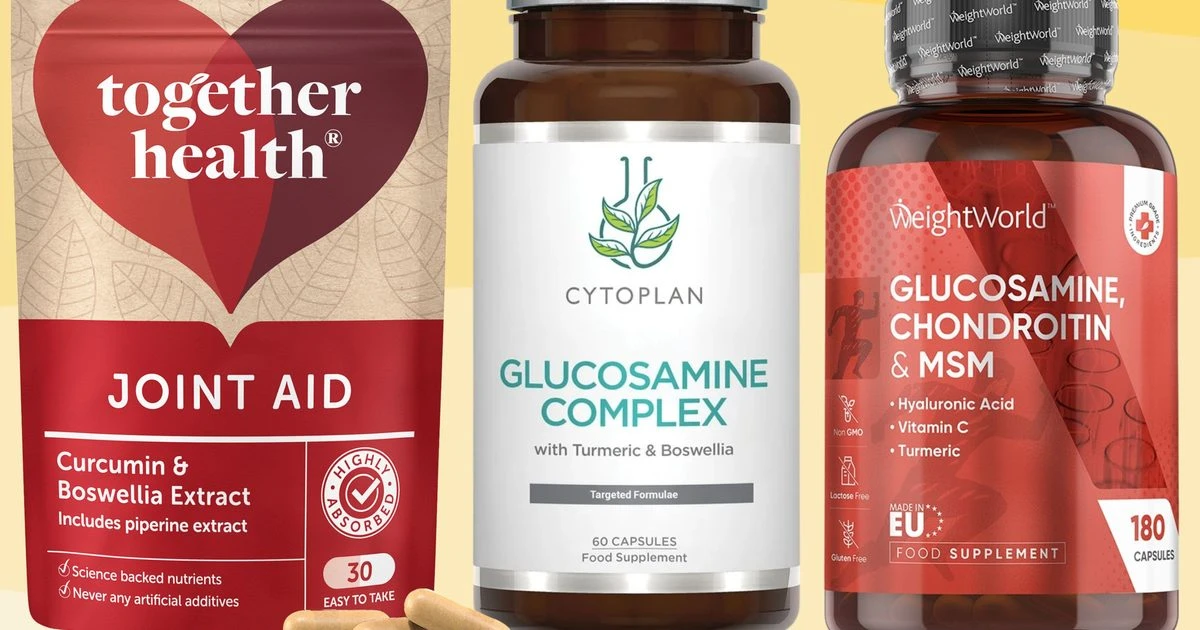
1. Glucosamine and Chondroitin
These two are often paired together and are among the most studied supplements for joint health. Glucosamine helps build cartilage, while chondroitin supports its elasticity and hydration.
- Effectiveness: Many seniors report reduced joint pain and improved mobility after consistent use.
- Dosage: Typical doses range from 1,500 mg of glucosamine and 1,200 mg of chondroitin daily.
- Tip: Look for supplements derived from shellfish if you do not have allergies, or opt for vegetarian-friendly versions.
2. Omega-3 Fatty Acids (Fish Oil)
Omega-3s are known for their anti-inflammatory properties, which can help soothe swollen and painful joints.
- Effectiveness: Regular intake can reduce joint stiffness and improve grip strength.
- Dosage: Aim for 1,000 mg of combined EPA and DHA daily.
- Tip: Choose high-quality, purified fish oil supplements to avoid contaminants.
3. Turmeric (Curcumin)
Curcumin, turmeric’s active ingredient, is a natural anti-inflammatory powerhouse.
- Effectiveness: Studies show it can reduce joint swelling and pain comparable to some over-the-counter pain relievers.
- Dosage: 500-1,000 mg of curcumin daily, often combined with black pepper extract for better absorption.
- Tip: Look for supplements with enhanced bioavailability for best results.
4. MSM (Methylsulfonylmethane)
MSM is a sulfur-containing compound that may help reduce inflammation and support connective tissue repair.
- Effectiveness: Many seniors notice decreased joint pain and improved function.
- Dosage: Typically 1,500-3,000 mg per day, divided into two or three doses.
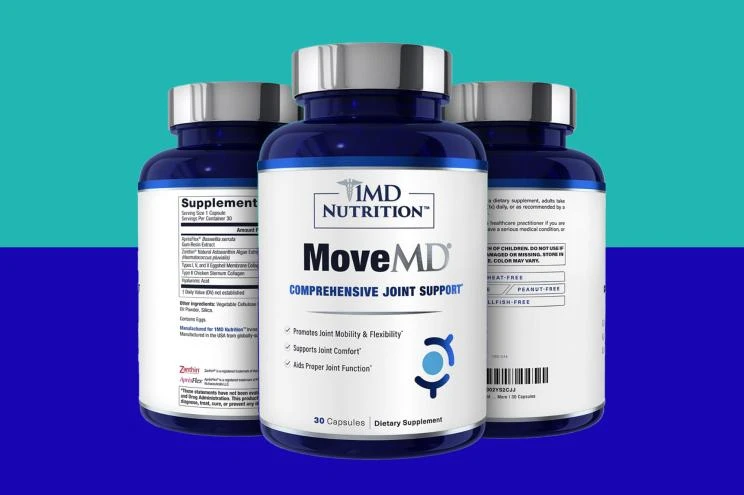
5. Collagen Peptides
Collagen is a key structural protein in cartilage, tendons, and ligaments. Supplementing with collagen peptides can promote joint repair and decrease pain.
- Effectiveness: Research suggests improved joint comfort and increased mobility after several months of supplementation.
- Dosage: 10 grams daily is common in studies.
6. Vitamin D and Calcium
Strong bones support healthy joints, and vitamin D helps your body absorb calcium effectively.
- Effectiveness: Adequate vitamin D levels reduce the risk of bone loss and related joint pain.
- Dosage: Vitamin D typically ranges from 800 to 2,000 IU daily, depending on blood levels; calcium recommendations vary but often are around 1,200 mg daily.
- Tip: For more on vitamins tailored for seniors, check out our best vitamins for seniors over 70 guide.
How to Choose the Best Supplements for Joint Pain in Seniors
With so many options, it’s important to pick supplements that fit your personal needs and lifestyle. Here are some practical tips:
- Check for Quality: Choose brands that have third-party testing and transparent ingredient sourcing.
- Start Slow: Introduce one supplement at a time to monitor effects and avoid potential interactions.
- Combine with Lifestyle Changes: Supplements work best alongside regular movement, healthy eating, and weight management.
- Consult Your Doctor: Especially important if you take blood thinners or other medications.
Supporting Joint Health Beyond Supplements
Remember, supplements are just one part of managing joint pain. Gentle movement is key to maintaining joint flexibility and strength. If arthritis or stiffness limits your activity, consider chair exercises for seniors with arthritis, which can help you stay active safely from the comfort of your home.
Eating a balanced diet rich in antioxidants, staying hydrated, and maintaining a healthy weight all support joint health as well.
What Seniors Are Saying About the Best Supplements for Joint Pain
Margaret, 72: “After trying glucosamine and chondroitin for a few months, I noticed less morning stiffness. It’s easier to get moving, and I feel more confident going on my daily walks.”
Robert, 68: “Turmeric capsules have been a game-changer for my knee pain. I like that it’s a natural option, and I don’t have to worry about stomach upset like with some pain meds.”
Helen, 75: “I started taking collagen peptides along with fish oil. Over time, my joints feel stronger, and I’m able to enjoy gardening again without so much discomfort.”
Frequently Asked Questions About the Best Supplements for Joint Pain in Seniors
Q1: How long does it take for joint supplements to work?
Most supplements require several weeks to a few months before noticeable improvements occur. Consistency is key, so give your chosen supplements time to build up in your system.
Q2: Can I take multiple joint supplements together?
Often, supplements like glucosamine, chondroitin, and MSM are combined safely. However, always check with your healthcare provider to avoid interactions or excessive dosages.
Q3: Are supplements enough to relieve joint pain?
Supplements can help reduce pain and support joint health, but they work best when combined with regular exercise, a healthy diet, and other treatments recommended by your doctor.