



Imagine you’re living miles away from your aging parent who needs regular care. You want to be there for them, but the distance makes it tough to handle day-to-day challenges. This is where long-distance caregiving becomes a familiar but tricky part of life for millions of families.
Did you know that nearly 15 million Americans provide care from a distance—often over 100 miles away? Managing medical appointments, medications, and emotional support across state lines can quickly become overwhelming without the right tools and strategies.
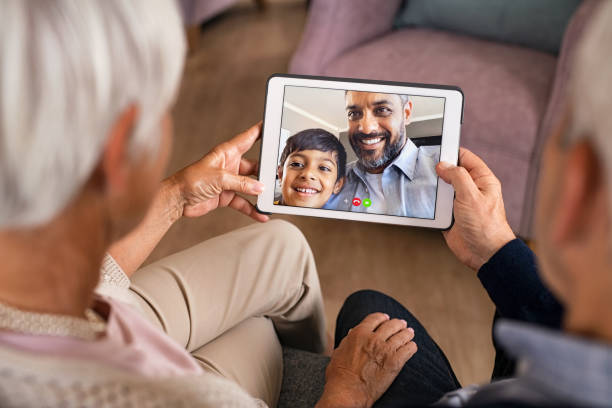
What Is Long-Distance Caregiving?
Long-distance caregiving refers to providing care and support to a loved one from a geographical distance, often 50 miles or more away. This type of caregiving usually involves coordinating medical care, managing finances, and ensuring daily needs are met without being physically present.
Unlike hands-on caregiving, it relies heavily on communication, technology, and a network of local helpers. Family members, friends, or professional caregivers near the senior often play an essential role in assisting the long-distance caregiver.
This form of caregiving has grown as families become more spread out, and seniors prefer aging in place rather than moving to assisted living facilities.
Why It Matters for Seniors
| Benefit | Long-Distance Caregiving | Local Caregiving |
|---|---|---|
| Independence | Seniors often maintain higher independence while receiving coordinated support | May lead to more direct supervision, sometimes reducing autonomy |
| Emotional Connection | Calls and video chats can keep bonds strong but may lack physical presence | Face-to-face contact tends to boost emotional well-being |
| Access to Care | Requires reliance on local services and community resources | Caregiver can directly oversee appointments and daily needs |
Research from the AARP reports that roughly 40% of caregivers live more than an hour away from the person they care for. While long-distance caregiving might feel challenging, it plays a vital role in helping seniors live safely at home.
How to Start with Long-Distance Caregiving
Build a Reliable Local Support Network
Identify neighbors, friends, or professional caregivers near your loved one who can check in regularly. Having someone physically present helps bridge gaps when you can’t be there.
Use Technology to Stay Connected
Set up video calls with apps like Zoom or FaceTime, and consider health-monitoring devices that share vital signs remotely. These tools help you stay updated and involved.
Organize Important Information
Create a detailed file with medical records, medications, emergency contacts, and legal documents. Having easy access helps during emergencies and routine care decisions.
Schedule Regular Visits
Plan periodic trips to see your loved one in person. These visits allow you to assess their environment, manage appointments, and spend quality time together.
Communicate Clearly with Your Loved One
Discuss preferences, needs, and boundaries openly. Understand what kind of help they want and acknowledge their desire for independence.
What Experts and Research Say
The National Institute on Aging emphasizes that successful long-distance caregiving involves coordination with local resources combined with frequent communication. Their studies show that caregivers who use technology report less stress and greater confidence.
A 2022 study published in the Journal of Gerontological Social Work found that implementing structured caregiving plans reduced hospital visits by 30% among seniors with distant caregivers. Experts recommend leveraging community services like Meals on Wheels and transportation assistance.
Practical Tips / How to Get Started
- Set up a shared calendar to track appointments and medication schedules with your loved one and local helpers.
- Enroll in a medical alert system that can notify both you and emergency services if needed.
- Keep a backup caregiver in case the primary local contact is unavailable.
- Use apps like CaringBridge to update family members and streamline communication.
- Arrange for home safety assessments through local agencies to prevent accidents.
- Stay informed about your loved one’s health insurance and benefits to manage costs and coverage.
- Take care of your own well-being to avoid caregiver burnout, including joining support groups.
Common Mistakes to Avoid
One big mistake is assuming you can handle everything remotely without building a local support system. It’s easy to feel isolated or overwhelmed without in-person help.
Another is neglecting regular communication. Silence can lead to missed warning signs or misunderstandings about your loved one’s needs.
Many caregivers also forget to prepare legal and financial documents early on, which can cause delays during emergencies.
Lastly, don’t underestimate your own emotional toll. Long-distance caregiving can be stressful, and ignoring your needs can affect your ability to provide care.
The Bottom Line
Long-distance caregiving is challenging but absolutely doable with the right strategies. By building a strong local network, leveraging technology, and maintaining open communication, you can support your loved one’s health and happiness from afar.
Remember, your involvement matters deeply—even if you’re not right next door. Start small, plan thoughtfully, and reach out for help when needed. If you want more ways to support seniors, check out our chair exercises for seniors or tips on senior nutrition.