

Understanding Cholesterol and Its Impact After 60
As we age, managing cholesterol naturally becomes increasingly important, especially for seniors aged 60 and above. High cholesterol levels can raise the risk of heart disease, stroke, and other health complications, making it vital to adopt lifestyle habits that promote healthy cholesterol levels. Fortunately, there are many natural and effective ways for seniors to maintain heart health without solely relying on medications.
In this article, we will explore practical strategies and lifestyle changes that help manage cholesterol naturally seniors can incorporate into their daily routines. From diet adjustments to physical activity and stress management, these approaches empower older adults to take charge of their cardiovascular health safely and effectively.
The Role of Diet in Managing Cholesterol Naturally
Diet plays a pivotal role in controlling cholesterol levels. For seniors, focusing on heart-healthy foods can significantly reduce LDL (“bad” cholesterol) and boost HDL (“good” cholesterol).
Choose Heart-Healthy Fats
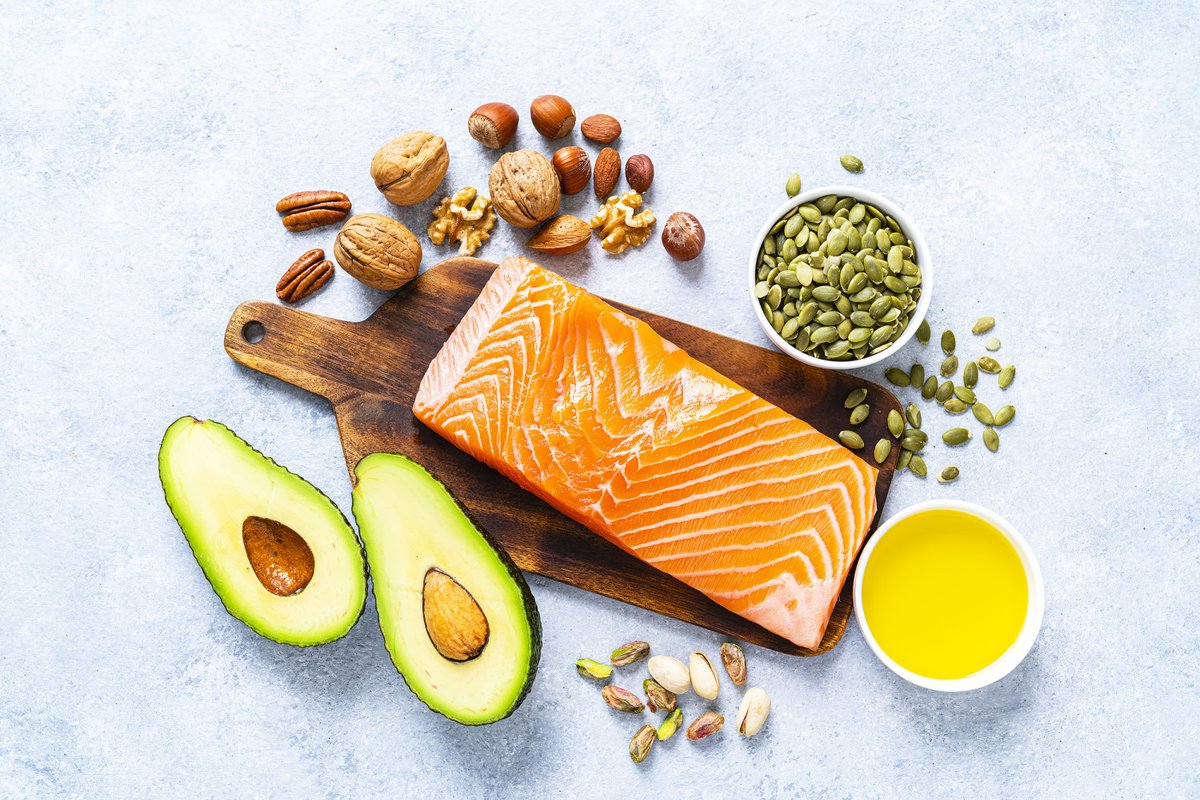
Replacing saturated and trans fats with healthier fats is crucial. Opt for sources like olive oil, avocados, and nuts, which contain monounsaturated fats that help lower LDL cholesterol. Fatty fish such as salmon, mackerel, and sardines are rich in omega-3 fatty acids that support heart health.
Eat Plenty of Fiber-Rich Foods
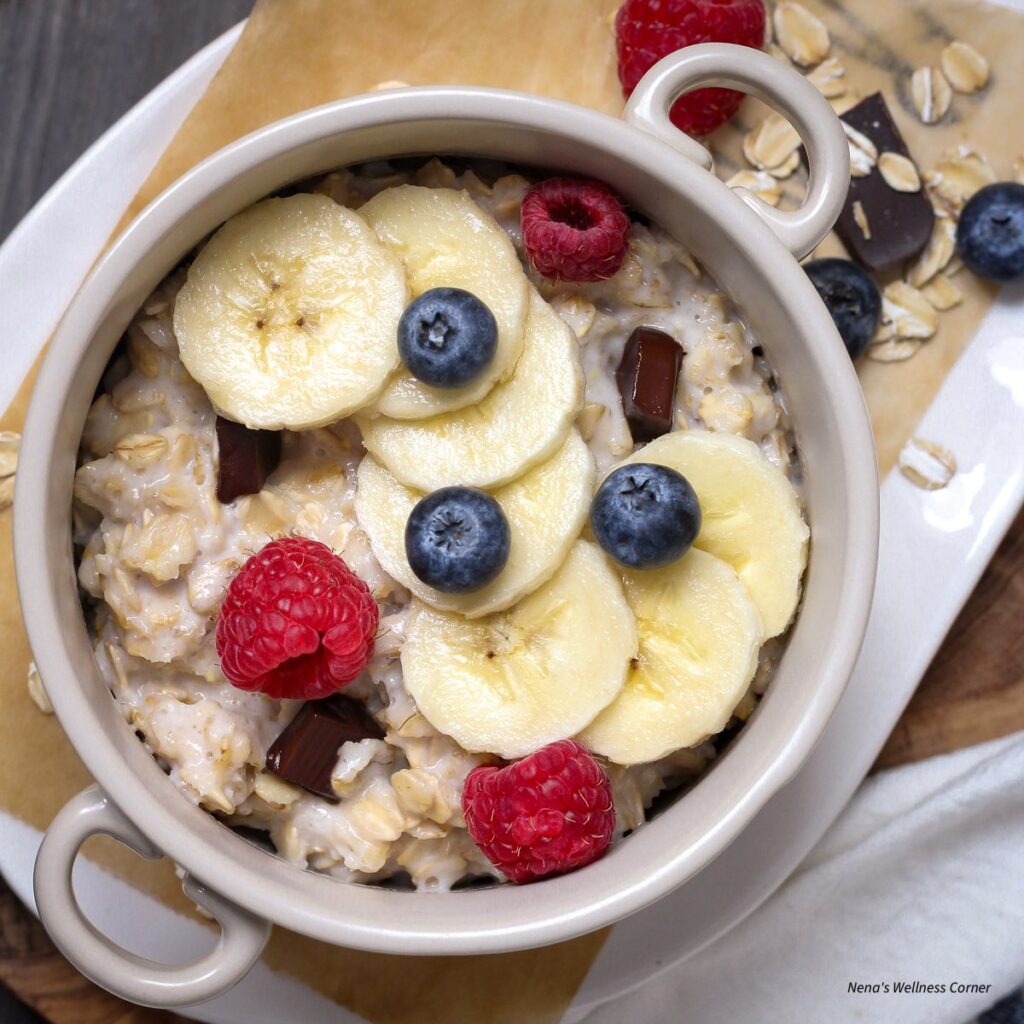
Dietary fiber, especially soluble fiber found in oats, beans, lentils, fruits, and vegetables, binds cholesterol in the digestive system and helps remove it from the body. Including these foods regularly can assist seniors in managing cholesterol naturally seniors often find effective.
Physical Activity: Moving Toward Better Cholesterol
Regular exercise is one of the most accessible and impactful ways to manage cholesterol naturally seniors can implement regardless of fitness level. Physical activity increases HDL cholesterol and helps reduce LDL cholesterol and triglycerides.
Recommended Exercises for Seniors
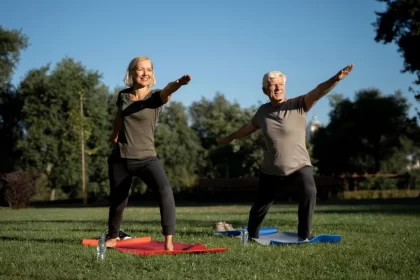
Low-impact aerobic exercises such as brisk walking, swimming, cycling, or water aerobics are excellent choices. Aim for at least 150 minutes of moderate-intensity exercise per week, broken into manageable sessions. Strength training twice a week also supports overall cardiovascular health and metabolic function.
Weight Management and Its Connection to Cholesterol
Maintaining a healthy weight is essential for cholesterol control. Excess body fat, especially around the abdomen, can raise LDL cholesterol and lower HDL cholesterol, increasing heart disease risk.
For seniors, gradual weight loss through balanced eating and regular exercise can improve cholesterol levels. Even a modest reduction of 5-10% of body weight can lead to significant improvements in cholesterol and overall heart health.
Stress Reduction Techniques to Support Heart Health
Chronic stress can negatively affect cholesterol levels by increasing unhealthy behaviors such as poor eating habits and inactivity. Additionally, stress hormones may directly influence lipid metabolism.
Effective Stress Management Strategies
Techniques such as deep breathing exercises, meditation, yoga, and spending time outdoors can help seniors reduce stress. Social engagement and hobbies also play a role in improving emotional well-being, which indirectly supports healthy cholesterol management.
Practical Tips to Manage Cholesterol Naturally Seniors Can Use Daily
- Incorporate more plant-based meals: Aim to have at least one plant-based meal daily rich in vegetables, legumes, and whole grains.
- Limit processed and fried foods: These often contain trans fats and unhealthy oils that increase cholesterol.
- Stay hydrated: Drinking enough water supports overall metabolism and heart function.
- Monitor portion sizes: Avoid overeating by using smaller plates and eating mindfully.
- Quit smoking: If you smoke, seek support to quit as smoking lowers HDL cholesterol and damages arteries.
- Schedule regular health checkups: Keep track of your cholesterol levels and discuss natural management options with your healthcare provider.
Frequently Asked Questions (FAQs)
Can seniors manage cholesterol naturally without medication?
Yes, many seniors can improve cholesterol levels through lifestyle changes such as diet, exercise, and stress management. However, some may still require medications depending on their individual health conditions, so consulting a healthcare professional is important.
What foods should seniors avoid to maintain healthy cholesterol?
Seniors should limit intake of saturated fats found in fatty meats, full-fat dairy, and processed foods, as well as avoid trans fats often present in fried and commercially baked goods.
How often should seniors check their cholesterol levels?
It is generally recommended that adults over 60 have their cholesterol checked at least once every 4-6 years if levels are normal. Those with elevated cholesterol or heart disease risk factors may need more frequent monitoring.
Is walking enough exercise to manage cholesterol naturally?
Yes, walking is an excellent low-impact exercise that can help raise HDL cholesterol and lower LDL cholesterol. Combining walking with other physical activities and strength training can provide even greater benefits.
Conclusion: Take Charge of Your Heart Health Today
Learning how to manage cholesterol naturally seniors can make a meaningful difference in overall health and quality of life after 60. By adopting heart-healthy eating habits, staying physically active, managing stress, and maintaining a healthy weight, seniors empower themselves to reduce cardiovascular risks safely and effectively.
Remember, small, consistent changes add up over time. We encourage you to discuss these natural strategies with your healthcare provider and start incorporating them into your daily routine today. Your heart will thank you!