

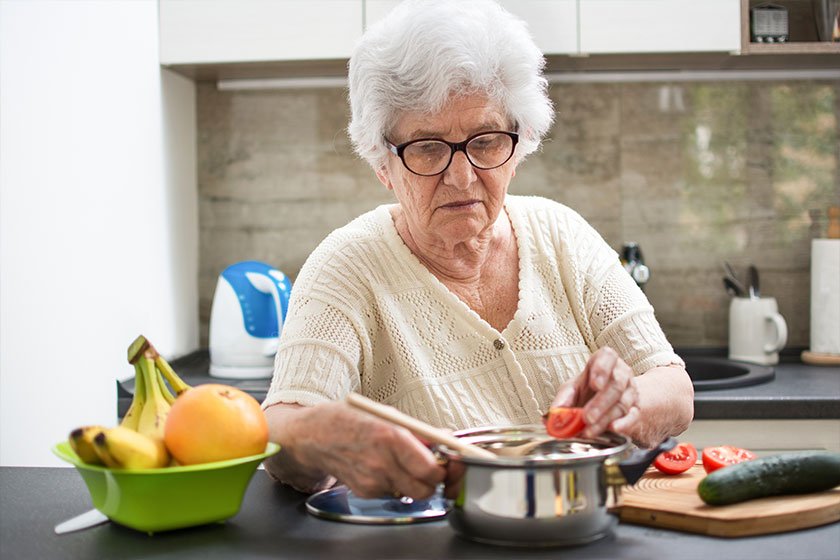
As we age, maintaining independence and comfort in our own homes becomes increasingly important. The kitchen, often called the heart of the home, is a place where many seniors spend a good deal of time preparing meals, enjoying snacks, and socializing. However, it can also be a space filled with potential hazards if not properly adapted. Setting up a safe kitchen for aging in place is essential to prevent accidents and promote confidence and well-being.
Whether you’re a senior looking to modify your kitchen or a caregiver helping a loved one, understanding key kitchen safety principles can make a huge difference. From simple adjustments to thoughtful home modifications, creating a kitchen that supports mobility, visibility, and ease of use can transform daily routines into safer, more enjoyable experiences.
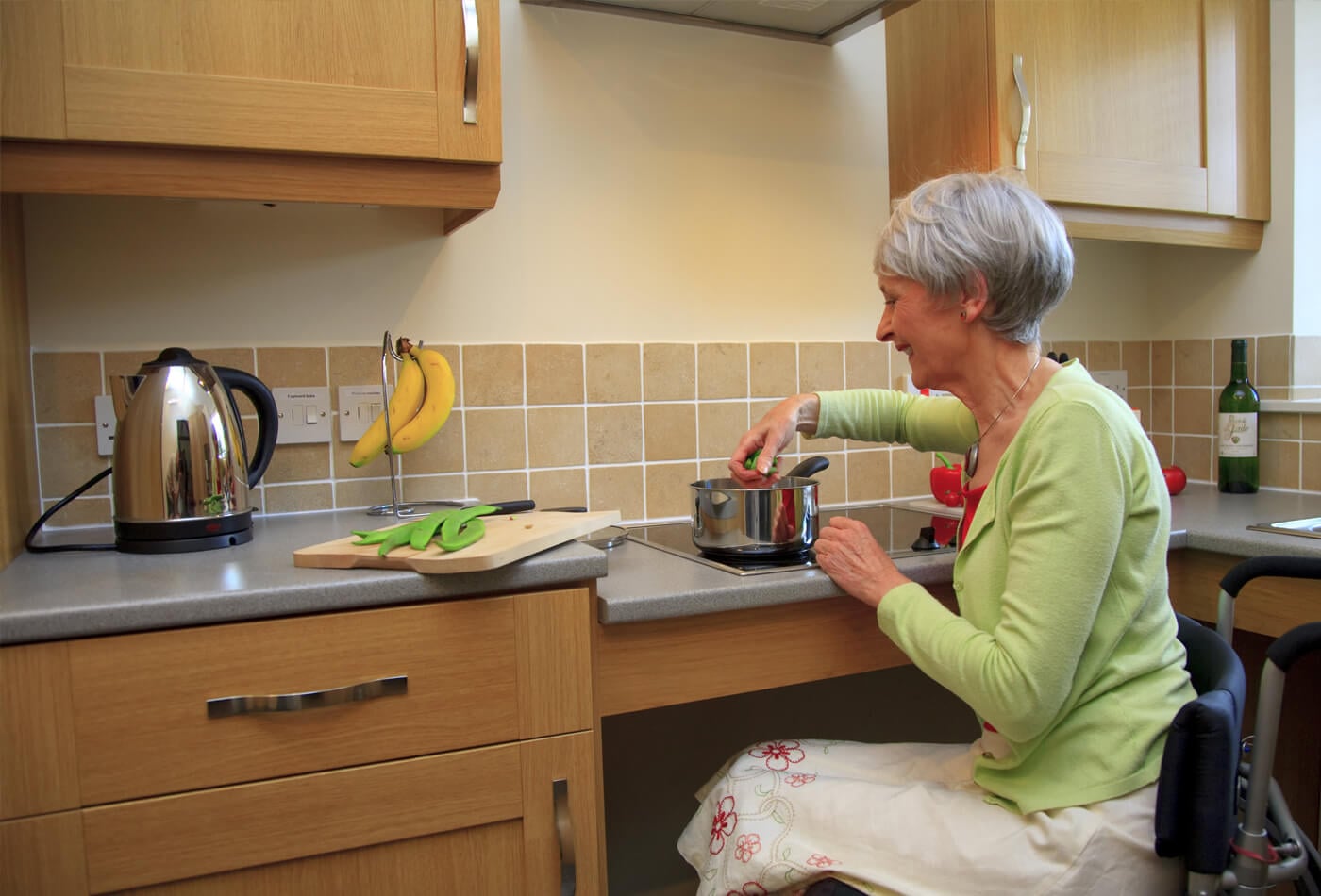
Why Kitchen Safety Matters for Aging in Place
Kitchen safety is more than just avoiding burns or cuts—it’s about designing a space that accommodates changing physical abilities and cognitive needs. Falls, fires, and injuries are common risks in kitchens, particularly for seniors. According to the National Council on Aging, falls are a leading cause of injury among older adults, and many happen at home during everyday tasks.
By proactively addressing kitchen safety, seniors can reduce the risk of accidents and maintain their independence longer. Thoughtful home modifications not only improve safety but also enhance comfort and accessibility, making cooking and cleaning easier and more enjoyable.
Key Considerations for a Safe Senior Kitchen
1. Improve Lighting
Good lighting is crucial in a kitchen to help seniors see clearly while cooking, chopping, and moving around. Consider installing bright, glare-free LED lights under cabinets and over work areas. Motion-sensor lights can be a convenient feature, turning on automatically when someone enters the kitchen, reducing the need to hunt for switches.
2. Use Non-Slip Flooring
Slippery floors are a common cause of falls. Installing non-slip flooring materials such as textured vinyl, cork, or rubber can greatly reduce this risk. Avoid glossy tiles or highly polished surfaces that can become slick when wet.
3. Organize for Accessibility
Keep frequently used items within easy reach to minimize bending, stretching, or climbing. Pull-out shelves, lazy Susans, and drawer organizers can help seniors access pots, pans, and utensils safely and efficiently.
4. Upgrade Appliances for Safety and Ease
Modern appliances designed with seniors in mind can enhance kitchen safety. Look for stoves with automatic shut-off features, microwaves with simple controls, and refrigerators with easy-to-open doors. Induction cooktops are another safe alternative because they don’t heat the surface itself, reducing burn risks.
5. Install Grab Bars and Handrails
Strategically placed grab bars near sinks, stoves, and counters provide support and stability. Handrails can assist with balance and prevent falls during kitchen chores.
6. Avoid Sharp and Dangerous Tools
Replace traditional knives with safety knives designed for seniors, and consider electric can openers to avoid hand strain. Store sharp objects securely out of reach of children but accessible for seniors with dexterity challenges.
Practical Tips for Enhancing Kitchen Safety
Maintain Clear Walkways
Ensure that the kitchen floor is free from clutter, cords, or rugs that could cause trips. Keep the space open and easy to navigate, especially if mobility aids like walkers or wheelchairs are used.
Use Color Contrast
Visual contrast helps seniors with vision impairments distinguish between different surfaces and objects. For example, use contrasting colors for countertops and cabinets, or colored cutting boards to differentiate food types.
Implement Fire Safety Measures
Keep a fire extinguisher accessible and ensure it’s suitable for kitchen fires. Smoke detectors should be installed and regularly tested. Avoid loose clothing while cooking and never leave stoves unattended.
Set Up Emergency Procedures
Place emergency phone numbers near the kitchen phone or on the refrigerator, and consider devices like medical alert systems that can be activated quickly if help is needed.
Home Modifications Comparison: Popular Kitchen Safety Features for Seniors
| Modification | Safety Benefit | Ease of Installation | Cost Estimate |
|---|---|---|---|
| Non-slip flooring | Reduces fall risk due to slippery surfaces | Moderate – may require professional installation | $$ – $200 to $800 depending on material |
| Grab bars near sink and stove | Provides stability and support | Easy – can be installed with basic tools | $ – $20 to $50 per bar |
| Pull-out shelves and lazy Susans | Improves accessibility of kitchen items | Moderate – some cabinet modification needed | $$ – $100 to $300 per unit |
| Induction cooktop | Reduces burn risk; easy temperature control | Moderate – requires electrical work | $$$ – $500 to $1,500 |
| Under-cabinet LED lighting | Enhances visibility in work areas | Easy – often plug-in or simple wiring | $ – $50 to $150 |
Creating a Senior Kitchen Safety Checklist
- Ensure all pathways are clear and free of tripping hazards.
- Install bright, even lighting in all kitchen areas.
- Use non-slip mats or flooring materials.
- Place frequently used items within easy reach.
- Use appliances with safety features suitable for seniors.
- Install grab bars near sinks and stoves.
- Keep a fire extinguisher and smoke detectors properly maintained.
- Use color contrast to assist with visibility.
- Store sharp items safely and consider safer alternatives.
- Set up emergency contact information clearly.
Conclusion: Taking Steps Toward a Safer Senior Kitchen
Setting up a safe kitchen for aging in place doesn’t have to be complicated or overwhelming. With thoughtful planning and practical home modifications, seniors can enjoy a kitchen environment that supports independence, reduces hazards, and provides peace of mind for both themselves and their caregivers.
Start by assessing your current kitchen setup and identifying areas where safety can be improved. Small changes like adding grab bars or improving lighting can make a big difference. For more extensive modifications, consult with home safety experts or occupational therapists who specialize in senior living spaces.
Remember, kitchen safety is a key part of creating a comfortable and secure home for aging in place. Take action today to make your kitchen a safe haven where you can continue to enjoy cooking, eating, and sharing meals with loved ones for years to come.
Ready to improve your kitchen safety? Explore more tips and trusted resources at SeniorRadar.com and start your journey to a safer, senior-friendly home!