

“`html
Understanding the Importance of Sleep for Seniors
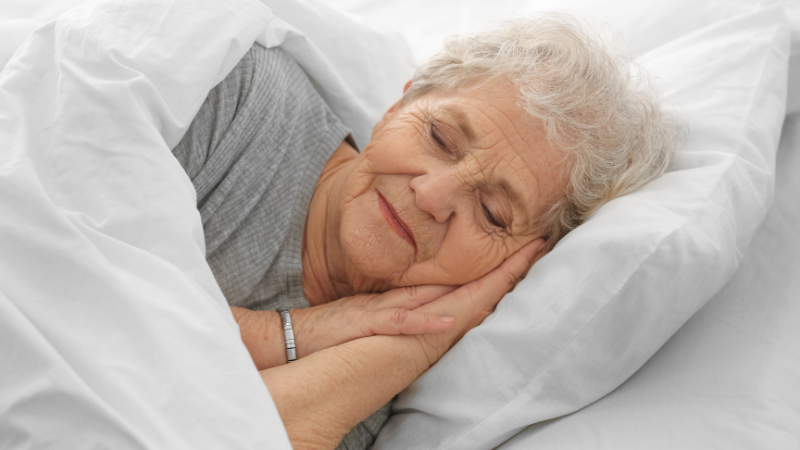
Getting a good night’s sleep is essential for everyone, but it becomes even more critical as we age. Seniors often face unique challenges when it comes to sleep, such as changes in sleep patterns, medical conditions, and medications that can interfere with restful nights. Poor sleep can lead to daytime fatigue, memory problems, and even worsen chronic health issues. Fortunately, there are effective sleep aids available—both natural and medical—that can help seniors enjoy better rest and improved overall health.
Whether you’re a senior struggling with insomnia or a caregiver seeking solutions for a loved one, understanding the options for sleep assistance is the first step toward peaceful, restorative nights.
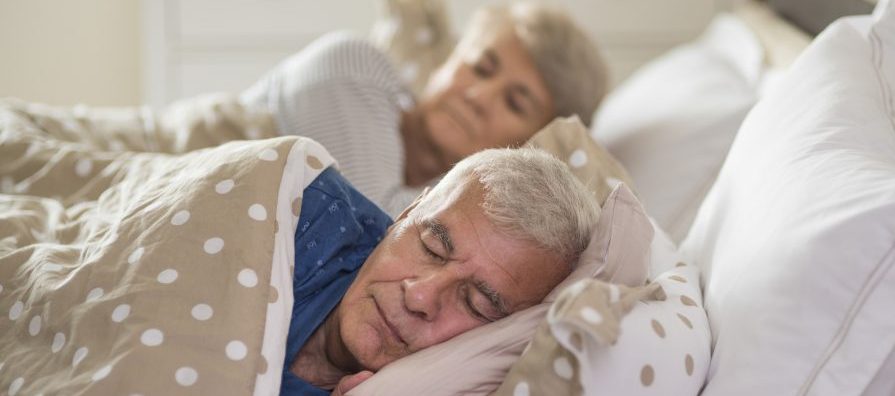
Why Do Seniors Experience Sleep Difficulties?
As we age, our bodies undergo changes that can impact sleep quality. Seniors often experience:
- Decreased production of melatonin, the hormone that regulates sleep-wake cycles
- More frequent nighttime awakenings
- Increased prevalence of medical conditions such as arthritis, sleep apnea, and restless leg syndrome
- Side effects from medications that disrupt sleep
Understanding these factors can help guide the choice of appropriate sleep aids tailored to individual needs.
Natural Sleep Aids for Seniors
Many seniors prefer to start with natural remedies before considering medications. These options often have fewer side effects and can be integrated into a healthy bedtime routine.
1. Melatonin Supplements
Melatonin is a hormone naturally produced by the pineal gland that signals the body it’s time to sleep. With aging, melatonin levels can decline, contributing to difficulty falling asleep. Taking a low-dose melatonin supplement (typically 0.5 to 3 mg) about 30 minutes before bedtime can help regulate the sleep cycle.
Tips for using melatonin:
- Consult your doctor before starting, especially if you take other medications
- Choose high-quality, reputable brands to ensure purity
- Use melatonin short-term to reset your internal clock, rather than as a nightly solution
2. Herbal Remedies
Herbal teas and supplements such as chamomile, valerian root, and lavender have traditionally been used to promote relaxation and sleep. Chamomile tea, in particular, is a gentle option that may help calm the mind before bedtime.
3. Lifestyle and Environmental Changes
Sometimes, the best “sleep aid” isn’t a pill but good sleep hygiene:
- Maintain a consistent sleep schedule—even on weekends
- Create a relaxing bedtime routine, such as reading or gentle stretches
- Limit exposure to screens and bright lights an hour before bed
- Keep the bedroom cool, dark, and quiet
- Avoid caffeine and heavy meals late in the day
Medical Sleep Aids: When to Consider Them
If natural remedies aren’t enough, or if insomnia is severe, medical sleep aids may be necessary. These include prescription medications and over-the-counter options.
1. Prescription Sleep Medications
Doctors may prescribe medications such as zolpidem (Ambien), eszopiclone (Lunesta), or trazodone. These can be effective but should be used cautiously due to the risk of side effects like dizziness, confusion, or dependence, especially in seniors.
Important considerations:
- Always follow your healthcare provider’s instructions
- Use the lowest effective dose for the shortest possible time
- Avoid mixing with alcohol or other sedatives
2. Over-the-Counter (OTC) Sleep Aids
Many OTC products contain antihistamines like diphenhydramine (Benadryl) or doxylamine. While they may help induce sleep, these can cause daytime drowsiness, dry mouth, and confusion, making them less ideal for seniors.
Comparison of Popular Sleep Aids for Seniors
| Sleep Aid | Type | Benefits | Considerations | Recommended For |
|---|---|---|---|---|
| Melatonin | Natural Supplement | Regulates sleep-wake cycle, low side effects | May interact with medications; best short-term use | Seniors with circadian rhythm issues or jet lag |
| Chamomile Tea | Herbal Remedy | Calming, promotes relaxation | Allergy risk; mild effect | Those who prefer natural, gentle options |
| Zolpidem (Ambien) | Prescription Medication | Effective for short-term insomnia | Risk of dependence, dizziness, falls | Seniors with severe insomnia under medical supervision |
| Diphenhydramine (Benadryl) | OTC Medication | Easy access, induces sleep | Can cause daytime drowsiness, confusion | Occasional use only; caution in seniors |
| Sleep Hygiene Practices | Lifestyle | Improves overall sleep quality naturally | Requires consistency and patience | All seniors seeking long-term improvement |
Practical Tips for Using Sleep Aids Safely
- Consult Your Healthcare Provider: Discuss any sleep issues and possible sleep aids with your doctor, especially if you have chronic health conditions or take other medications.
- Start Low, Go Slow: Begin with the lowest effective dose to minimize side effects.
- Monitor Effects: Keep track of how a sleep aid affects your sleep quality and daytime alertness.
- Combine Approaches: Use sleep aids alongside good sleep hygiene and lifestyle changes for best results.
- Avoid Long-Term Dependence: Sleep aids are often most effective when used short-term while addressing underlying issues.
Conclusion: Finding the Right Sleep Aid for You or Your Loved One
Good sleep is a cornerstone of healthy aging, and fortunately, there are many sleep aids available to help seniors overcome insomnia and sleep disturbances. Natural options like melatonin and herbal remedies can provide gentle support, while medical treatments may be necessary for more persistent problems. Remember that every individual is different, and what works best varies from person to person.
By combining the right sleep aids with healthy habits and professional guidance, seniors can reclaim peaceful nights and energized days. If you or someone you care for struggles with sleep, don’t hesitate to reach out to a healthcare provider to explore safe and effective solutions tailored to your needs.
Take the first step today—prioritize your sleep health and discover the best sleep aids to help you rest better tonight!
“`