

Introduction
Choosing the best canes for seniors can significantly enhance mobility, independence, and confidence for older adults. Whether you’re a senior yourself or a caregiver helping a loved one, finding the right walking cane is more than just picking a stylish accessory. It’s about safety, comfort, and support tailored to individual needs. This complete guide will walk you through everything you need to know to select the perfect cane, from types and materials to height adjustments and essential features.
Understanding the Different Types of Canes
There’s no one-size-fits-all when it comes to walking canes. Each type serves a unique purpose and offers different levels of support. Familiarizing yourself with these options will make it easier to identify which cane suits your lifestyle and physical condition.
- Standard Cane: The classic single-tip cane, often made from wood or aluminum. It’s lightweight and easy to use, offering minimal support for those with mild balance or stability issues.
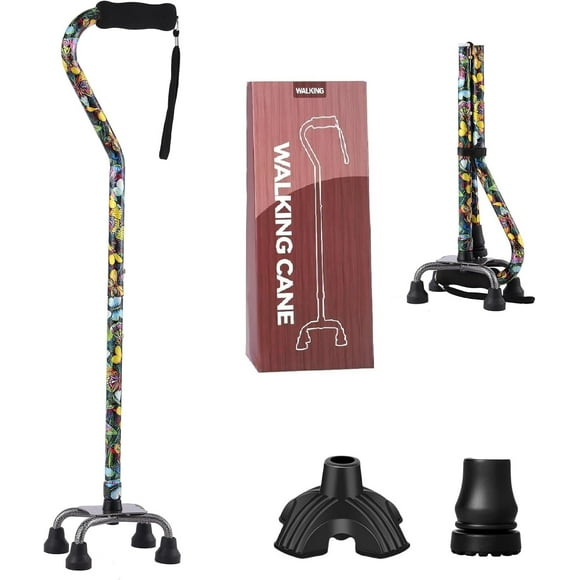
- Quad Cane: Featuring a four-pronged base, quad canes provide a broader support platform, making them ideal for seniors who need extra balance assistance. They are stable on various surfaces but can be slightly heavier than standard canes.
- Folding Cane: Perfect for seniors who travel or want a cane that is easy to store. Folding canes collapse into smaller sections for convenience but may not be as sturdy as fixed models.
- Offset Cane: Designed with a handle that offsets the shaft, this cane distributes weight more evenly and reduces wrist strain. It’s a great option for seniors with arthritis or hand pain.
- Ergonomic Canes: These canes have specially designed handles to support the natural grip and reduce pressure points, improving comfort during extended use.
Key Features to Look for in the Best Canes for Seniors
When selecting a cane, it’s important to consider features that will enhance safety and usability. Here are critical elements to keep in mind:
- Adjustable Height: A cane that can be adjusted ensures proper posture and prevents strain. Typically, the cane should reach the crease of your wrist when standing with arms relaxed at your sides.
- Comfortable Grip: Look for handles made from soft materials like foam or rubber, or ergonomic designs that reduce hand fatigue and prevent slipping.
- Non-Slip Tips: Rubber tips provide traction on various surfaces and reduce the risk of slips and falls. Replace these tips regularly as they wear out.
- Weight: Lightweight canes made from aluminum or carbon fiber are easier to carry and maneuver but still need to be sturdy enough to provide support.
- Durability: Materials like hardwood, aluminum, or carbon fiber offer long-lasting support. Consider the environments where the cane will be used most to choose the right material.
- Additional Features: Some canes come with built-in seats, LED lights for nighttime use, or even storage compartments. While these aren’t essential for everyone, they can add convenience for some seniors.
How to Choose the Right Cane Height and Fit
Proper height is crucial for both comfort and safety. Using a cane that’s too tall or too short can cause poor posture and increase the risk of falls. Here’s how you can measure for the right fit:
- Stand upright with your shoes on, arms relaxed at your sides.
- Measure the distance from the floor to the crease of your wrist.
- Adjust the cane so that the top aligns with this measurement when you hold the handle.
- When holding the cane, your elbow should bend slightly at about 15 to 20 degrees for optimal support.
If you’re assisting a senior, it’s best to have them try the cane indoors first to ensure they feel stable and comfortable before using it outdoors or on uneven surfaces.
Practical Tips for Using Canes Safely and Effectively
Having the best cane is just the first step. Proper use can maximize benefits and reduce injury risks. Here are some practical tips for seniors and caregivers:
- Walk with the Cane Opposite the Weak or Injured Side: This helps distribute weight correctly and provides better balance.
- Take Small Steps: Avoid rushing to maintain stability, especially on stairs or uneven ground.
- Keep the Cane Tip Flat on the Ground: When moving, ensure the cane tip is always in contact to prevent slips.
- Inspect the Cane Regularly: Check for loose parts, worn tips, or cracks in the shaft and replace or repair as needed.
- Wear Appropriate Footwear: Non-slip shoes complement cane use and improve overall safety.
- Practice Getting Up and Down Safely: Encourage seniors to use the cane for support when sitting or standing, but ensure they have a stable chair or grab bars nearby.
Top Recommended Canes for Seniors in 2024
To help you get started, here are some of the best canes for seniors available this year. These options combine durability, comfort, and style, making them a great choice for most needs.
- Drive Medical Four Point Quad Cane: Offers excellent stability with an adjustable height and a comfortable ergonomic handle. Ideal for seniors needing extra balance support.
- HurryCane Freedom Edition Folding Cane: Lightweight, foldable, and equipped with a pivoting base for added stability. Great for seniors who travel or want a compact option.
- Folding Wooden Cane by Hugo Mobility: Combines classic style with modern folding convenience. Made of durable hardwood with a soft rubber grip.
- Carex Adjustable Offset Cane: Designed to reduce wrist pressure and comes with an adjustable height feature. Suitable for those with arthritis or hand pain.
- Vive Quad Cane: Features a wide base for unmatched stability and a padded handle for comfort. It’s a great all-around choice for seniors with moderate mobility challenges.
Conclusion
Finding the best canes for seniors involves considering individual needs, lifestyle, and physical condition. Whether you choose a standard cane, quad cane, or an ergonomic model, the key is to prioritize comfort, support, and safety. Remember, the right cane can boost independence and improve quality of life by making walking safer and easier.
If you or your loved one are ready to take the next step, start by measuring for the correct height and exploring the types that align with your mobility needs. Don’t hesitate to consult with a healthcare professional or physical therapist for personalized recommendations.
Take action today: Invest in a quality walking cane and empower yourself or your loved one to move with confidence and ease. Your journey to better mobility starts with one step—and the right cane can make all the difference.