


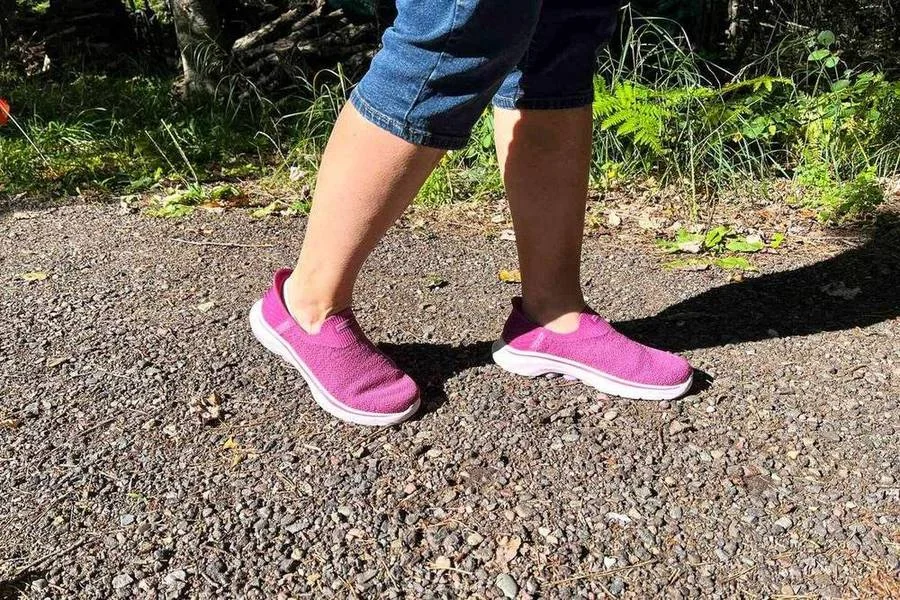
Choosing the right pair of walking shoes is one of the most important health decisions a senior can make. The right footwear does far more than keep your feet comfortable — it can prevent falls, reduce joint pain, support your posture, and keep you active and independent for years to come. The wrong shoes, on the other hand, can contribute to foot pain, instability, and a higher risk of the falls that are a leading cause of injury among older adults.
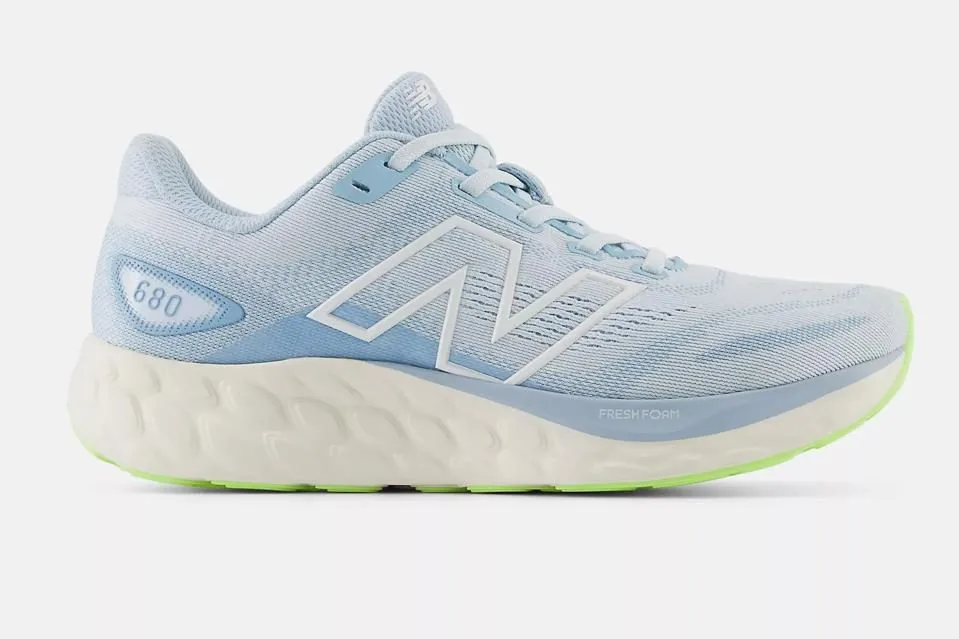
With so many options on the market, finding the best walking shoes for seniors in 2026 can feel overwhelming. This guide breaks down exactly what to look for, reviews the top brands and models, and gives you everything you need to make a confident, informed choice.
Why the Right Walking Shoes Matter More After 60
As we age, our feet change in ways that make proper footwear increasingly important:
- Foot widening and flattening: Ligaments and tendons lose elasticity, causing feet to spread and arches to flatten.
- Reduced fat padding: The natural cushioning on the soles of the feet thins with age, making hard surfaces more painful.
- Increased risk of conditions: Bunions, hammertoes, plantar fasciitis, and arthritis become more common after 60.
- Balance changes: Reduced proprioception (the body’s sense of position) increases fall risk, making grip and stability critical.
- Circulation issues: Conditions like diabetes and peripheral artery disease can make foot health even more critical.
According to the CDC, falls are the leading cause of injury-related death among adults 65 and older. Proper footwear is one of the most effective and underutilized tools for fall prevention.
Key Features to Look for in Senior Walking Shoes
Cushioning and Shock Absorption
With reduced natural fat padding in the feet, seniors need shoes with generous midsole cushioning to absorb the impact of each step. Look for shoes with foam midsoles (EVA or memory foam) that provide both cushioning and energy return.
Arch Support and Stability
Good arch support reduces strain on the plantar fascia, Achilles tendon, and knee joints. A firm heel counter (the back part of the shoe that cups the heel) provides stability and prevents excessive inward rolling (overpronation).
Non-Slip Outsole
A rubber outsole with a textured tread pattern provides traction on a variety of surfaces, including wet pavement and slippery floors. This is a critical safety feature for fall prevention.
Wide Toe Box
A roomy toe box allows the toes to spread naturally and accommodates conditions like bunions, hammertoes, and swollen feet. Avoid shoes with narrow, pointed toe boxes.
Secure Closure
Lace-up shoes provide the most adjustable and secure fit, but Velcro or hook-and-loop closures are an excellent alternative for seniors with limited hand dexterity or arthritis. Slip-on shoes should be avoided unless they have a very secure fit.
Lightweight and Flexible
Heavy shoes increase fatigue and can contribute to tripping. Look for lightweight materials that still provide adequate support. The sole should flex at the ball of the foot, not the middle.
Removable Insoles
Many seniors use custom orthotics prescribed by a podiatrist. Shoes with removable insoles allow you to replace the stock insole with your custom orthotic for a personalized fit.
Top Walking Shoes for Seniors in 2026
New Balance 928v3 — Best for Stability and Wide Widths
The New Balance 928v3 is a perennial favorite among seniors and podiatrists alike. It features a ROLLBAR stability post that controls excessive motion, a Walking Strike Path outsole for smooth heel-to-toe transitions, and generous cushioning throughout. Available in multiple widths (from 2A to 6E), it accommodates virtually any foot shape. The leather upper is durable and easy to clean.
Best for: Seniors with overpronation, wide feet, or those who need maximum stability.
Brooks Addiction Walker 2 — Best for All-Day Comfort
The Brooks Addiction Walker 2 is built for extended walking and is one of the most recommended shoes by podiatrists for seniors. It features BioMoGo DNA cushioning that adapts to your stride, a full-length Progressive Diagonal Rollbar for motion control, and a slip-resistant outsole. The leather upper provides durability and a classic look. Available in multiple widths.
Best for: Seniors who walk long distances, those with flat feet or plantar fasciitis, and anyone who prioritizes all-day comfort.
Orthofeet Coral — Best for Foot Pain and Diabetic Feet
Orthofeet specializes in therapeutic footwear, and the Coral is their flagship women’s walking shoe. It features an ergonomic sole that reduces pressure on the heel and ball of the foot, a wide toe box that eliminates pressure on bunions and hammertoes, and an anatomical arch support insole. The interior is lined with soft, non-binding material ideal for sensitive or diabetic feet. Available in multiple widths up to 3E.
Best for: Seniors with foot pain, bunions, hammertoes, diabetic neuropathy, or plantar fasciitis.
Vionic Walker Classic — Best Balance of Style and Support
Vionic shoes are designed with podiatrist-developed Vio-Motion Technology that provides three-zone comfort: heel support, arch support, and metatarsal support. The Walker Classic features a firm heel counter, a roomy toe box, and a durable leather upper. It looks more like a traditional walking shoe than a medical shoe, making it popular among seniors who want support without sacrificing style.
Best for: Seniors who want stylish footwear with genuine orthopedic support.
Hoka Bondi 8 — Best Cushioning for Joint Pain
The Hoka Bondi 8 features the brand’s signature maximalist cushioning — an exceptionally thick midsole that provides outstanding shock absorption. This makes it an excellent choice for seniors with knee, hip, or back pain who need maximum impact protection. Despite the thick sole, it is surprisingly lightweight. The wide base also provides good stability.
Best for: Seniors with knee, hip, or back pain who need maximum cushioning and shock absorption.
Skechers GOwalk 7 — Best Lightweight Option
For seniors who prioritize lightweight comfort and ease of wear, the Skechers GOwalk 7 is an excellent choice. It features a Skechers Air-Cooled Goga Mat insole for cushioning, a flexible outsole, and a slip-on design that is easy to put on and take off. While it offers less structured support than the other shoes on this list, it is ideal for casual, shorter walks and everyday wear.
Best for: Casual walking, everyday wear, and seniors who prioritize lightweight comfort and easy on/off.
How to Find the Right Fit: A Senior’s Buying Guide
Get Your Feet Measured Regularly
Foot size and shape change with age. Get both feet measured every time you buy new shoes — at the end of the day when feet are at their largest. Many seniors find their feet have grown wider or longer over the years.
Try Shoes on Both Feet
Most people have one foot slightly larger than the other. Always fit to the larger foot. There should be about a thumb’s width of space between your longest toe and the end of the shoe.
Walk Around the Store
Never buy shoes without walking in them. Walk on different surfaces if possible, and pay attention to any pressure points, rubbing, or instability.
Consider Your Specific Conditions
If you have diabetes, neuropathy, or severe arthritis, consider seeing a podiatrist before purchasing shoes. They can assess your gait, identify specific needs, and recommend appropriate footwear or custom orthotics.
When to Replace Your Walking Shoes
Walking shoes should typically be replaced every 300–500 miles or every 6–12 months, whichever comes first. Signs it is time for new shoes include: visible wear on the outsole, compressed or flattened midsole cushioning, upper material breaking down, or increased foot, knee, or back pain during or after walking.
Frequently Asked Questions
What is the most important feature in walking shoes for seniors?
Stability and support are the most critical features. Good arch support, a firm heel counter, and a non-slip outsole help prevent falls and reduce joint strain. Cushioning is also very important for seniors with reduced natural foot padding.
Are wide-width shoes necessary for seniors?
Not all seniors need wide-width shoes, but many benefit from them. Feet tend to widen with age, and conditions like bunions or swelling can make standard widths uncomfortable. A wider toe box is generally recommended for most seniors.
Can walking shoes help with knee or hip pain?
Yes. Properly cushioned and supportive walking shoes can reduce the impact forces transmitted to the knees and hips with each step. Shoes with motion control features can also correct gait issues that contribute to joint pain.
How often should seniors replace their walking shoes?
Every 300–500 miles of walking or every 6–12 months. Even if shoes look fine externally, the cushioning and support materials degrade with use and may no longer provide adequate protection.
Is it worth spending more on quality walking shoes?
Yes. Quality walking shoes from reputable brands typically provide better support, more durable materials, and greater long-term value than cheaper alternatives. Given the impact of footwear on fall prevention and joint health, it is one of the most worthwhile investments a senior can make.