


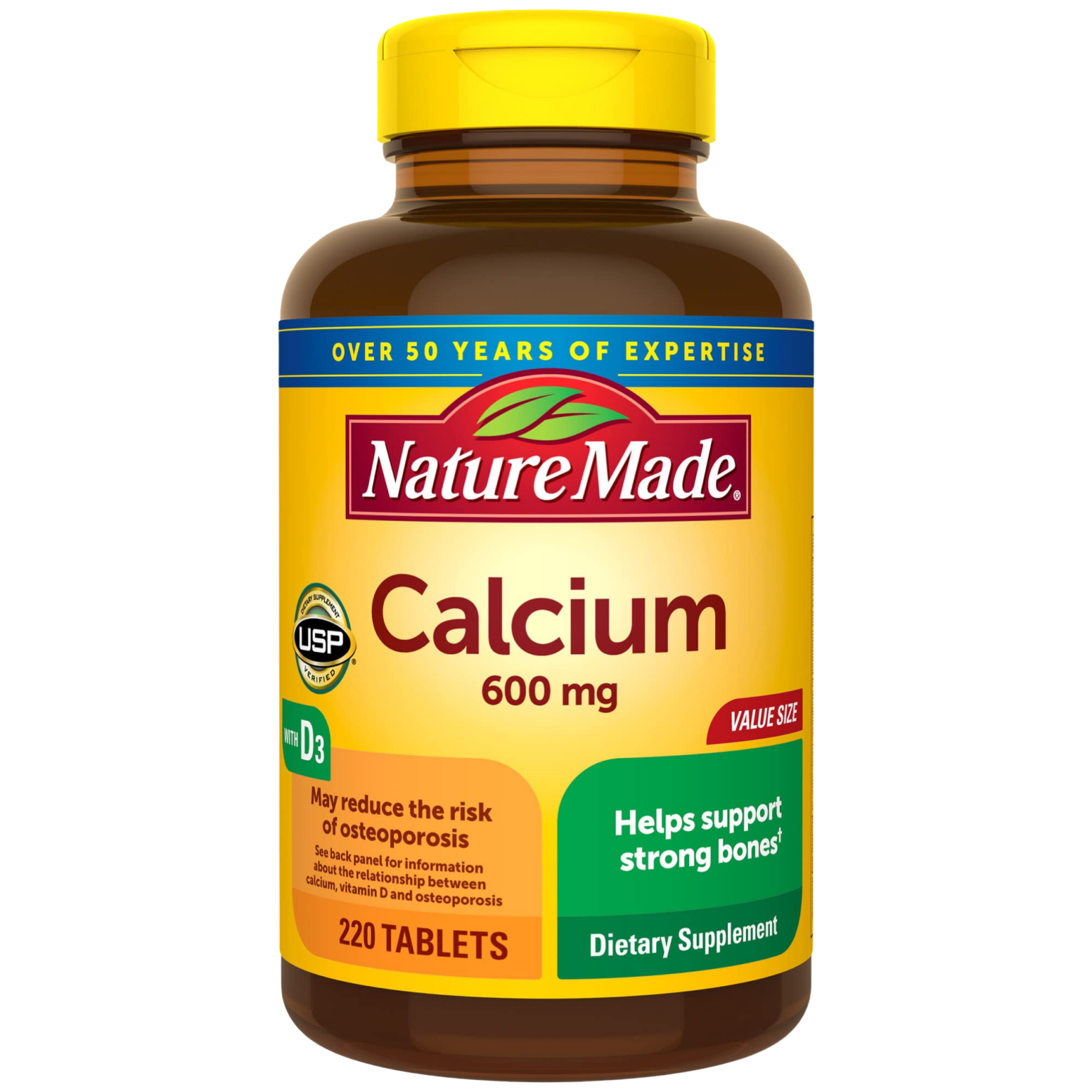
Understanding the Importance of Calcium Supplements for Seniors
As we age, maintaining strong and healthy bones becomes increasingly important. Calcium supplements for seniors play a vital role in supporting bone density, preventing osteoporosis, and reducing the risk of fractures. Since our bodies absorb calcium less efficiently with age, it’s essential to ensure adequate intake through diet and supplementation. This article will guide you through the best calcium supplements for seniors, practical tips on how to take them, and other important nutrients to consider for optimal bone health.
Why Seniors Need Calcium Supplements
Bone density naturally declines as part of the aging process. For many seniors, dietary calcium alone may not be enough to meet daily requirements, especially if they have dietary restrictions or health conditions affecting nutrient absorption. Calcium supplements help fill this gap, providing a reliable source of this critical mineral. Adequate calcium intake helps:
- Maintain and improve bone strength
- Reduce the risk of osteoporosis and fractures
- Support muscle function and nerve signaling
- Enhance overall mobility and quality of life
Experts generally recommend that adults over 50 consume 1,200 mg of calcium daily from all sources combined, including food and supplements.
Types of Calcium Supplements for Seniors
Not all calcium supplements are created equal. Understanding the different types can help you choose the best one for your needs:
- Calcium Carbonate: This is the most common and cost-effective form. It contains a high percentage of elemental calcium (about 40%). It’s best taken with meals for better absorption.
- Calcium Citrate: More easily absorbed than calcium carbonate and can be taken with or without food. It contains around 21% elemental calcium and is often recommended for seniors with lower stomach acid or digestive issues.
- Calcium Lactate and Gluconate: These forms contain less elemental calcium and are less commonly used but may be suitable for those with sensitive stomachs.
Choosing the right supplement depends on individual preferences, digestive health, and lifestyle.
Essential Nutrients to Combine with Calcium for Bone Health
Calcium doesn’t work alone in maintaining healthy bones. To maximize benefits, seniors should also pay attention to other key nutrients, including:
- Vitamin D: Crucial for calcium absorption. Seniors often have vitamin D deficiencies due to less sun exposure and decreased skin synthesis. Supplementing with vitamin D3 is highly recommended alongside calcium.
- Magnesium: Supports bone formation and helps regulate calcium balance.
- Vitamin K2: Helps direct calcium to bones and teeth rather than soft tissues.
- Protein: Important for bone matrix structure and repair.
Many calcium supplements now come combined with vitamin D and magnesium for comprehensive bone support.
Top Tips for Taking Calcium Supplements Safely and Effectively
To get the most out of your calcium supplements, consider these practical tips:
- Split doses: The body can only absorb about 500-600 mg of calcium at a time, so divide your total daily dose into two or three smaller doses.
- Take with food: Especially for calcium carbonate, consuming supplements with meals improves absorption and reduces stomach upset.
- Avoid excessive calcium: Too much calcium can lead to kidney stones or interfere with absorption of other minerals.
- Watch interactions: Calcium can interfere with the absorption of certain medications, including antibiotics and thyroid medications. Consult your healthcare provider for personalized advice.
- Stay hydrated: Drinking plenty of water helps prevent potential side effects like constipation.
Recommended Calcium Supplement Options for Seniors
While specific brands vary, here are some general recommendations for seniors looking for quality calcium supplements:
- Calcium Citrate with Vitamin D3: Ideal for seniors with sensitive stomachs or low stomach acid, providing good absorption without the need to take with meals.
- Calcium Carbonate with Magnesium and Vitamin D: A cost-effective option for those who tolerate calcium carbonate well and want a comprehensive formula.
- Chewable or Liquid Calcium Supplements: Great for seniors who have difficulty swallowing pills.
- Calcium-Rich Multivitamins: Some multivitamins designed for seniors include calcium alongside other bone-supporting nutrients.
Always look for supplements that are third-party tested for quality and purity to ensure safety.
Lifestyle Habits That Support Bone Health in Seniors
Calcium supplements are just one piece of the puzzle. Maintaining healthy bones also involves lifestyle choices such as:
- Regular weight-bearing exercise: Activities like walking, gardening, or light strength training stimulate bone remodeling and strength.
- Balanced diet: Incorporate calcium-rich foods such as dairy, leafy greens, almonds, and fortified plant milks.
- Avoid smoking and excessive alcohol: Both can weaken bones and interfere with calcium metabolism.
- Monitor bone health: Regular bone density screenings can help track progress and guide supplementation needs.
Conclusion: Taking Charge of Bone Health with Calcium Supplements for Seniors
Strong bones are the foundation of an active, independent life for seniors. Incorporating calcium supplements for seniors into your daily routine, along with vitamin D and other supportive nutrients, can make a significant difference in preserving bone health. Remember to choose the right type of supplement, follow dosing guidelines, and maintain healthy lifestyle habits for the best results.
If you’re considering adding calcium supplements to your regimen, consult your healthcare provider to tailor a plan that suits your individual health needs. Start today to build stronger bones and enjoy a healthier tomorrow!
Ready to support your bone health? Explore trusted calcium supplement options and expert tips right here on SeniorRadar.com.