

This guide provides a comprehensive overview of chair exercises specifically designed for seniors living with arthritis. It outlines a step-by-step approach to enhance mobility, reduce stiffness, and promote overall well-being. By incorporating these gentle exercises into their routine, seniors can improve their physical health while minimizing discomfort associated with arthritis. This resource aims to empower individuals to engage in safe and effective movement practices. Living with arthritis does not mean giving up on exercise — in fact, staying active is one of the most effective ways to manage arthritis pain and maintain your independence. The challenge is finding exercises that strengthen your body without putting excessive stress on already-painful joints. That is exactly where chair exercises come in.
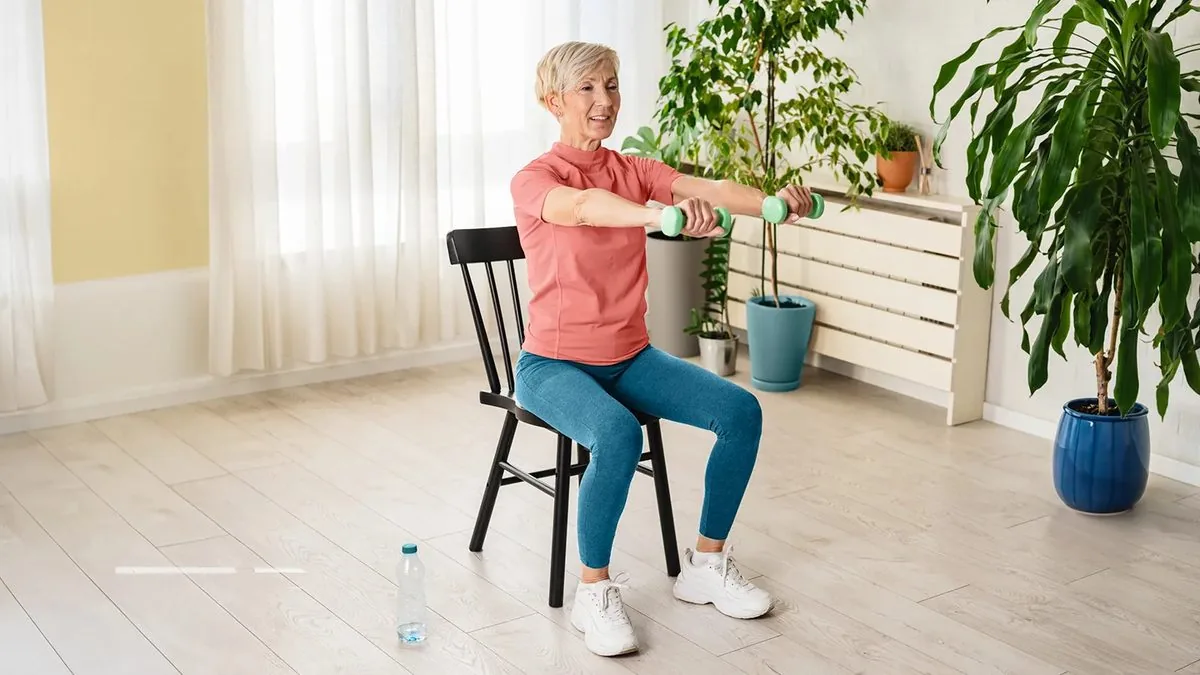
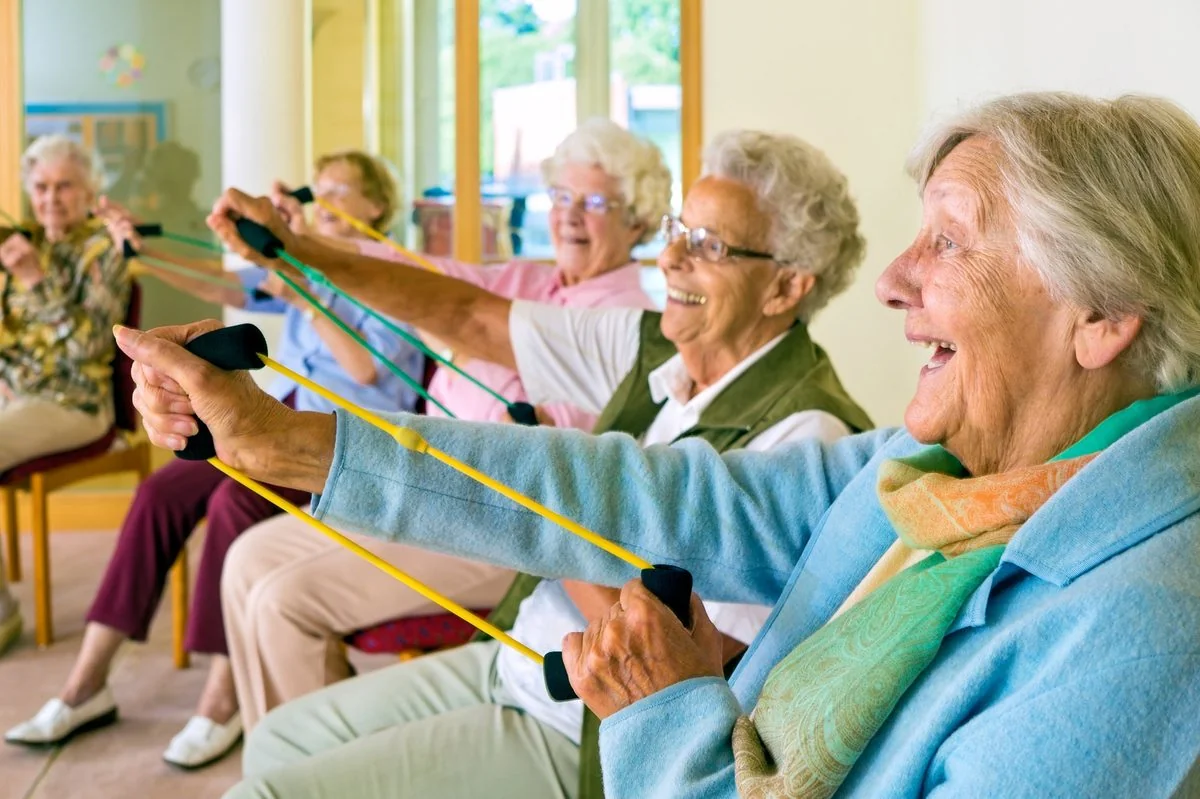
Chair exercises are low-impact, seated workouts that allow seniors with arthritis to build strength, improve flexibility, and boost circulation — all from the safety and comfort of a sturdy chair. According to the Arthritis Foundation, regular physical activity is one of the most important things a person with arthritis can do, as it reduces pain, improves function, and enhances quality of life.
This guide provides a complete, step-by-step chair exercise routine specifically designed for seniors with arthritis, along with safety tips and guidance on how to get started.
Why Exercise Matters for Seniors with Arthritis
Many seniors with arthritis avoid exercise out of fear that it will worsen their pain. However, research consistently shows the opposite is true. Regular, appropriate exercise:
- Strengthens the muscles surrounding affected joints, reducing the load placed on cartilage and bone
- Reduces joint stiffness by keeping joints lubricated and flexible
- Decreases pain and inflammation over time through the release of natural anti-inflammatory compounds
- Improves balance and coordination, reducing the risk of falls
- Boosts energy and mood, counteracting the fatigue and depression often associated with chronic pain
- Supports a healthy weight, reducing stress on weight-bearing joints like hips and knees
The prevalence of doctor-diagnosed arthritis rises to nearly 47% in adults aged 65 and older. Chair exercises offer a safe, accessible way for this population to stay active regardless of mobility limitations.
Before You Begin: Safety Tips
Before starting any new exercise program, especially with arthritis, keep the following safety guidelines in mind:
- Consult your doctor or physical therapist before beginning, particularly if you have severe joint damage or recent surgery
- Use a sturdy, armless chair without wheels, placed on a non-slip surface
- Warm up first with 5 minutes of gentle movement or a warm shower to loosen stiff joints
- Move slowly and gently — never force a joint into a painful position
- Breathe steadily throughout each exercise; never hold your breath
- Stop if you feel sharp pain — mild discomfort or muscle fatigue is normal, but sharp or worsening joint pain is not
- Start with fewer repetitions and gradually increase as your strength and comfort improve
The Complete Chair Exercise Routine for Seniors with Arthritis
Aim to perform this routine 3–5 times per week. Each session should take approximately 20–30 minutes. Start with 8–10 repetitions of each exercise and work up to 15 repetitions as you get stronger.
1. Seated Neck Rolls (Neck Flexibility)
Benefits: Relieves neck stiffness and tension, common in seniors with cervical arthritis.
How to do it: Sit tall with your feet flat on the floor. Slowly drop your right ear toward your right shoulder, hold for 5 seconds, then return to center. Repeat on the left side. Then slowly lower your chin toward your chest, hold for 5 seconds, and return. Do not roll the head backward. Repeat 5 times on each side.
2. Shoulder Rolls (Shoulder Mobility)
Benefits: Loosens tight shoulder joints and improves upper body circulation.
How to do it: Sit upright with arms relaxed at your sides. Slowly roll both shoulders forward in a circular motion 5 times, then reverse and roll them backward 5 times. Keep the movement smooth and controlled.
3. Seated Arm Raises (Shoulder Strength)
Benefits: Strengthens the shoulder and upper arm muscles, improving overhead reach.
How to do it: Sit tall with arms at your sides. Slowly raise both arms out to the sides and up toward the ceiling, keeping elbows slightly bent. Hold for 2 seconds at the top, then slowly lower. Repeat 10 times. If raising both arms is too difficult, alternate one arm at a time.
4. Wrist and Finger Exercises (Hand Arthritis Relief)
Benefits: Maintains hand and wrist flexibility, reduces morning stiffness in finger joints.
How to do it: Rest your forearms on your thighs. Slowly make a gentle fist, hold for 3 seconds, then spread your fingers wide. Repeat 10 times. Then rotate your wrists in slow circles, 5 times in each direction.
5. Seated Marching (Hip Flexor Strength and Circulation)
Benefits: Improves hip mobility, strengthens the hip flexors, and boosts circulation in the legs.
How to do it: Sit upright with feet flat on the floor. Slowly lift your right knee toward your chest as high as comfortably possible, then lower it. Alternate with the left knee. Continue in a slow marching motion for 30–60 seconds. Keep your back straight and avoid leaning forward.
6. Knee Extensions (Quadriceps Strengthening)
Benefits: Strengthens the quadriceps muscles, which support and protect the knee joint — particularly helpful for knee osteoarthritis.
How to do it: Sit tall with feet flat on the floor. Slowly straighten your right leg until it is parallel to the floor, hold for 3 seconds, then slowly lower it. Repeat 10 times, then switch to the left leg. For added challenge, flex your foot (toes pointing toward the ceiling) as you extend.
7. Seated Calf Raises (Ankle and Lower Leg Strength)
Benefits: Strengthens the calf muscles, improves ankle flexibility, and promotes circulation to prevent swelling.
How to do it: Sit with feet flat on the floor. Slowly raise both heels off the ground as high as possible, hold for 2 seconds, then lower. Repeat 15 times. You can also alternate feet for a more dynamic movement.
8. Ankle Circles (Ankle Flexibility)
Benefits: Improves ankle joint mobility and reduces stiffness, particularly helpful for those with foot or ankle arthritis.
How to do it: Lift your right foot slightly off the floor. Slowly rotate the ankle in a full circle, 5 times clockwise and 5 times counterclockwise. Lower and repeat with the left foot.
9. Seated Side Bends (Core and Spinal Flexibility)
Benefits: Stretches the sides of the torso, improves spinal flexibility, and strengthens the core muscles that support the back.
How to do it: Sit tall with feet flat on the floor. Place your right hand on the side of your chair for support. Slowly reach your left arm up and over your head, leaning gently to the right. Hold for 5 seconds, then return to center. Repeat on the other side. Do 5 repetitions per side.
10. Seated Torso Twists (Spinal Rotation)
Benefits: Improves spinal rotation and flexibility, relieves back stiffness associated with spinal arthritis.
How to do it: Sit tall with feet flat on the floor and arms crossed over your chest. Slowly rotate your upper body to the right as far as is comfortable, hold for 3 seconds, then return to center. Repeat to the left. Do 8–10 repetitions per side. Keep the movement slow and controlled — do not twist forcefully.
Cool-Down Stretches
Always end your session with 5 minutes of gentle stretching to prevent muscle soreness and maintain flexibility.
Seated Hamstring Stretch
Sit at the edge of your chair. Extend your right leg straight out in front of you with your heel on the floor. Sit tall and gently lean forward from the hips (not the waist) until you feel a gentle stretch in the back of your thigh. Hold for 20–30 seconds, then switch legs.
Seated Hip Flexor Stretch
Sit tall at the edge of your chair. Slide your right foot back so it is behind the chair leg, with your knee pointing toward the floor. Sit upright and feel the gentle stretch in the front of your right hip. Hold for 20–30 seconds, then switch sides.
How Often Should You Do Chair Exercises?
For seniors with arthritis, the CDC recommends at least 150 minutes of moderate-intensity activity per week. Chair exercises can count toward this goal. Start with 3 sessions per week of 20–30 minutes each, and gradually increase frequency and duration as your strength and comfort improve.
On days when arthritis pain is particularly bad — known as “flare days” — it is fine to rest or do only the gentlest range-of-motion exercises. The goal is consistency over time, not perfection on any single day.
Frequently Asked Questions
Can chair exercises really help with arthritis pain?
Yes. Multiple studies and clinical guidelines confirm that regular, low-impact exercise reduces arthritis pain, improves joint function, and enhances quality of life. Chair exercises are particularly well-suited for seniors with limited mobility or severe joint pain.
How often should seniors with arthritis do chair exercises?
Aim for 3–5 sessions per week of 20–30 minutes each. Always listen to your body and consult with a healthcare professional for personalized recommendations based on the type and severity of your arthritis.
What type of chair is best for chair exercises?
A sturdy, stable chair without wheels or arms is ideal. Ensure your feet can rest flat on the floor and your knees are bent at approximately a 90-degree angle. Place the chair on a non-slip surface or rug for safety.
Are there chair exercises specifically for knee arthritis?
Yes. Knee extensions, seated marching, and calf raises are particularly beneficial for knee arthritis, as they strengthen the quadriceps and surrounding muscles that support and protect the knee joint.
Should I exercise during an arthritis flare?
During a significant flare, it is best to rest the affected joints and avoid exercises that aggravate pain. Gentle range-of-motion movements (like wrist circles or ankle rotations) are generally safe and can help prevent stiffness. Resume your full routine once the flare subsides.