


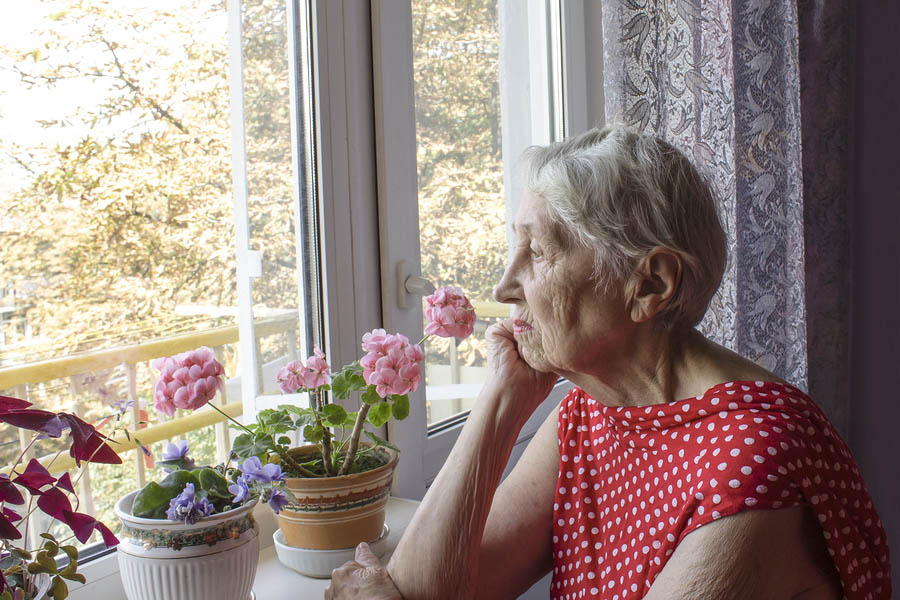
As we age, maintaining a vibrant social life becomes increasingly important for our overall well-being. Unfortunately, many seniors face the challenge of senior loneliness, which can lead to serious mental health concerns. Whether due to loss of loved ones, reduced mobility, or other life changes, feelings of social isolation can affect seniors deeply. Understanding how to prevent loneliness and foster meaningful connections is essential for seniors and their caregivers alike.
In this article, we will explore practical strategies and resources designed to help seniors stay socially engaged and emotionally healthy. By recognizing the signs of social isolation and taking proactive steps, seniors can enjoy a richer, more connected life.
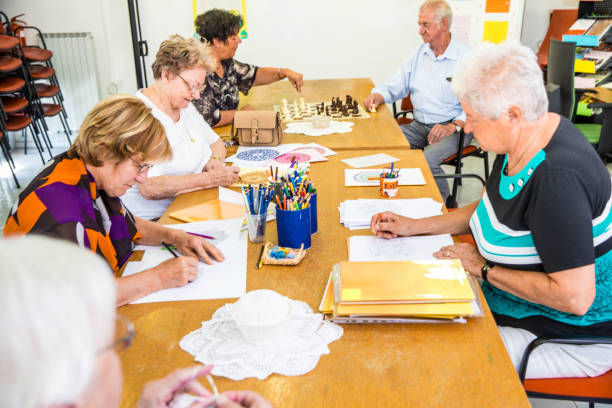
Understanding Senior Loneliness and Social Isolation
Senior loneliness is more than just feeling alone—it’s a complex emotional state that can affect mental and physical health. Social isolation refers to the objective lack of social contacts and interactions. Both conditions are linked but distinct and can impact seniors differently.
Research shows that senior loneliness increases the risk of depression, anxiety, cognitive decline, and even physical ailments such as heart disease. Recognizing the difference between being alone and feeling lonely is key to addressing this challenge. While some seniors enjoy solitude, persistent feelings of loneliness can be harmful and require attention.
Common Causes of Senior Loneliness
Loss of Loved Ones
Many seniors experience the loss of close family members, friends, or spouses, which can create a profound sense of loneliness and grief.
Reduced Mobility and Health Issues
Physical limitations or chronic health problems may restrict seniors from participating in social activities, leading to isolation.
Retirement and Changes in Routine
Leaving the workforce often results in fewer social interactions, which can make seniors feel disconnected from their community.
Geographic Distance from Family
Many seniors live far from relatives, making regular visits and social contact challenging.
Practical Ways to Prevent Senior Loneliness
1. Stay Connected with Family and Friends
Regular communication is vital. Phone calls, video chats, and letters can help maintain close bonds even when physical visits aren’t possible.
2. Join Senior Centers or Community Groups
Local senior centers offer social activities, classes, and events designed to foster friendships and keep seniors engaged.
3. Volunteer for Meaningful Causes
Volunteering can provide a sense of purpose and an opportunity to meet like-minded people, reducing feelings of isolation.
4. Pursue Hobbies and Interests
Engaging in activities you love, such as gardening, painting, or book clubs, can create opportunities for socialization and joy.
5. Use Technology to Bridge Distance
Learning to use smartphones, tablets, or computers can enable seniors to connect with distant family or join online social groups.
6. Consider Pet Companionship
Pets can offer emotional support and companionship, reducing feelings of loneliness.
Signs That Senior Loneliness May Be Affecting You or a Loved One
- Withdrawal from social activities and family gatherings
- Frequent feelings of sadness, hopelessness, or irritability
- Changes in sleep or eating habits
- Decline in personal hygiene or self-care
- Expressing feelings of worthlessness or loneliness
Comparing Approaches to Combat Senior Loneliness
| Approach | Benefits | Considerations |
|---|---|---|
| In-Person Social Activities | Builds strong personal connections; physical activity promotes health | Requires mobility and access; may be challenging during pandemics |
| Technology-Based Interaction | Connects distant family; flexible timing; access to wide social networks | Learning curve for some seniors; requires internet access |
| Volunteering | Purposeful engagement; new friendships; boosts self-esteem | May require transportation; some roles have physical demands |
| Pet Companionship | Provides emotional support; daily routine and physical activity | Requires care and resources; not suitable for everyone |
Tips for Caregivers to Support Seniors Experiencing Loneliness
If you care for a senior, your support can make a significant difference in preventing social isolation.
Encourage Social Interaction
Suggest and facilitate opportunities for your loved one to engage with others, whether through community events or virtual chats.
Be Attentive and Listen
Sometimes, simply being present and listening can alleviate feelings of loneliness.
Help with Technology
Assist seniors in learning to use communication tools to stay connected with family and friends.
Monitor Mental Health
Watch for signs of depression or anxiety and seek professional help if needed.
Resources for Combating Senior Loneliness
- Senior Centers and Clubs: Check local listings for senior-friendly groups and activities.
- Online Communities: Platforms like AARP’s online forums or Facebook groups for seniors.
- Telehealth Services: Access mental health counseling via phone or video.
- Volunteer Networks: Organizations such as Meals on Wheels or local charities.
- Technology Training Programs: Many libraries or community centers offer classes.
Final Thoughts
Senior loneliness and social isolation are challenges that many face but do not have to endure alone. By proactively embracing social opportunities, staying connected with loved ones, and seeking support when needed, seniors can enjoy fulfilling and mentally healthy lives. Whether you are a senior or a caregiver, small steps today can lead to meaningful changes tomorrow.
If you or someone you care about is struggling with feelings of loneliness, take action now. Reach out, explore new social avenues, and remember that connection is a vital ingredient for happiness and longevity.
For more tips, resources, and support on senior socialization and mental health, visit SeniorRadar.com regularly. Together, we can help seniors lead joyful, connected lives.