


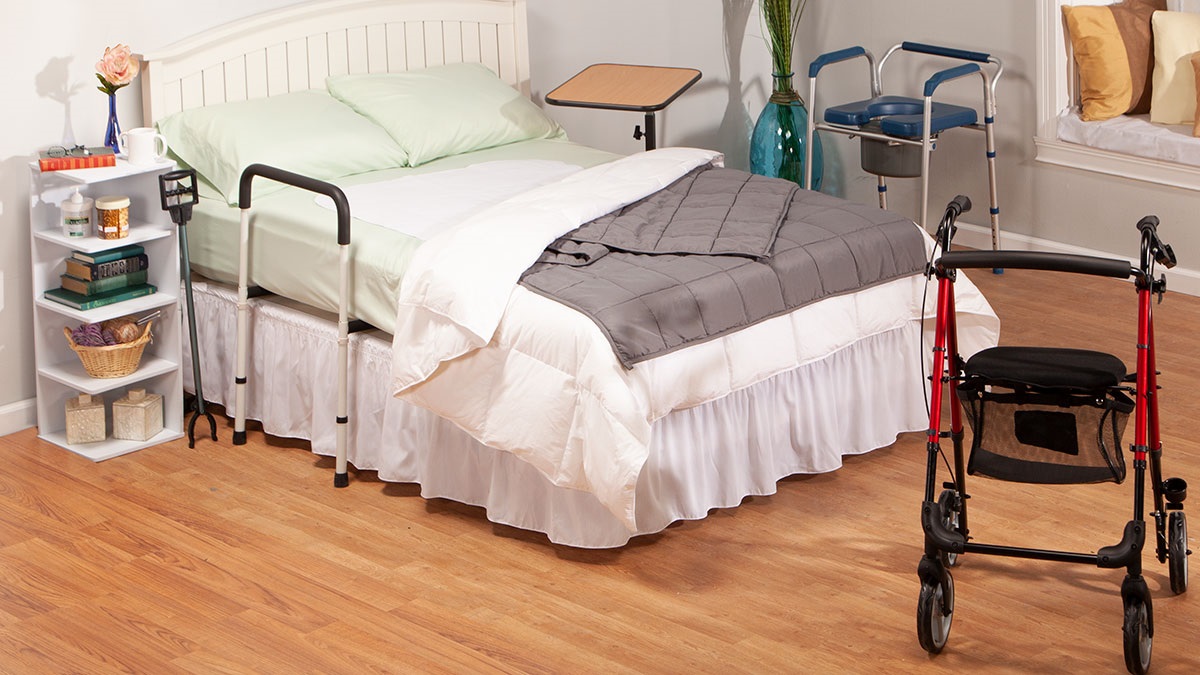
Creating a safe and comfortable living space for an elderly loved one is a vital part of caregiving. When it comes to bedroom safety, a thoughtful safe bedroom elderly parent setup can make a significant difference in preventing accidents, promoting independence, and ensuring peace of mind for both seniors and their caregivers. This guide offers practical tips and essential considerations to help you transform your elderly parent’s bedroom into a secure haven tailored to their unique needs.
Assessing the Bedroom Environment for Safety
Before making any changes, it’s important to evaluate the current state of the bedroom. Walk through the room with your elderly parent if possible, and take note of potential hazards or obstacles. Common issues to look for include cluttered walkways, loose rugs, poor lighting, and furniture that may be difficult to navigate around. A thorough assessment will help you prioritize changes that enhance safety without sacrificing comfort.
- Clear Pathways: Ensure there is ample space to move around the bed and other furniture. Remove unnecessary items such as boxes, extra chairs, or décor that can cause tripping.
- Flooring: Replace or secure loose rugs with non-slip mats. Avoid slippery surfaces and consider carpet or non-slip vinyl flooring to reduce fall risks.
- Lighting: Install bright, easy-to-use lighting options. Consider motion-sensor nightlights to help your parent navigate safely during nighttime bathroom visits.
Choosing the Right Bed and Bedding
The bed is often the centerpiece of an elderly person’s bedroom, so selecting the right one is crucial for comfort and safety. When planning your safe bedroom elderly parent setup, consider the following:
- Bed Height: A bed that is too high or too low can make getting in and out challenging. Aim for a height that allows your parent’s feet to rest flat on the floor when sitting on the edge of the bed.
- Supportive Mattress: Choose a mattress that provides adequate support to reduce pressure points and prevent discomfort or bedsores.
- Side Rails or Grab Bars: If your parent is at risk of falling out of bed, consider installing bed rails or nearby grab bars. These can also assist with mobility when getting in or out of bed.
- Bedding: Use breathable, easy-to-wash bedding made from natural fibers to maintain comfort and hygiene.
Incorporating Assistive Devices and Safety Features
Assistive devices can greatly improve the safety and independence of your elderly parent within their bedroom. Here are some practical additions to consider:
- Bedside Commode or Urinal: If nighttime trips to the bathroom are difficult, a bedside commode can prevent falls caused by rushing or poor lighting.
- Emergency Call Systems: Install an emergency alert button or wearable device so your parent can quickly call for help if needed.
- Grab Bars: Place grab bars near the bed or in the doorway to provide extra support when standing or walking.
- Adjustable Beds: For parents with mobility or health issues, an adjustable bed can help them find comfortable sleeping and resting positions with ease.
Optimizing Bedroom Layout and Accessibility
A well-organized bedroom layout promotes safe movement and easy access to essential items. When arranging the room for your elderly parent, keep these points in mind:
- Furniture Placement: Arrange furniture so that there are clear, wide pathways to the bed, door, and bathroom if attached. Avoid sharp corners or unstable pieces.
- Accessible Storage: Use low, reachable shelves, bedside tables, or drawers so your parent can access clothing, medications, and personal items without stretching or bending excessively.
- Keep Essentials Within Reach: Place frequently used items such as glasses, water, medications, and a phone on the bedside table to minimize unnecessary movement.
- Minimize Clutter: Regularly declutter the room to reduce fall hazards and create a calming environment.
Improving Lighting for Safety and Comfort
Proper lighting is essential in a safe bedroom elderly parent setup. Poor lighting increases the risk of trips and falls, especially during nighttime hours. Consider these lighting improvements:
- Layered Lighting: Use a combination of overhead lights, bedside lamps, and nightlights to provide sufficient illumination at all times.
- Easy-to-Use Switches: Install large, accessible light switches or remote controls that your parent can operate easily.
- Motion-Activated Lights: These can automatically turn on when movement is detected, helping your parent safely navigate during the night without fumbling for a switch.
- Natural Light: Maximize daylight by keeping windows unobstructed and using light curtains to improve mood and regulate sleep cycles.
Maintaining Comfort and Personal Touches
Safety is paramount, but comfort and personalization also play a big role in creating a welcoming bedroom. A familiar and cozy environment supports emotional wellbeing and encourages restful sleep. Here’s how to balance safety with comfort:
- Soft, Supportive Seating: Include a comfortable chair or recliner with firm armrests to aid sitting and standing.
- Temperature Control: Ensure the room temperature is adjustable to your parent’s preference, with easy-to-use controls for heaters or fans.
- Personal Items: Display photos, favorite books, or mementos to make the space feel inviting and emotionally supportive.
- Non-Slip Slippers: Encourage your parent to wear slippers with non-slip soles to prevent falls when walking around the room.
Conclusion: Prioritize Safety and Comfort with a Thoughtful Setup
Setting up a safe bedroom elderly parent setup requires attention to detail, compassion, and practical solutions. By assessing the environment, choosing appropriate furniture, incorporating assistive devices, optimizing lighting, and maintaining comfort, you can create a bedroom that supports your elderly parent’s independence and wellbeing while reducing the risk of injury.
If you’re a caregiver or family member looking to make your elderly parent’s bedroom safer, start with small changes and gradually build a space tailored to their needs. Remember, your efforts not only protect your loved one but also provide you with peace of mind.
Ready to enhance your elderly parent’s bedroom safety today? Begin by assessing their current setup and implementing one or two safety improvements this week. For further guidance and resources on caregiving, don’t hesitate to reach out to local senior support organizations or healthcare professionals who specialize in elder care.