



Recognizing the signs of dementia in seniors early on can make a big difference for families trying to support their loved ones. Dementia is a term that describes a range of symptoms affecting memory, thinking, and social abilities severely enough to interfere with daily life. While it can be scary to notice changes, understanding what to watch for helps families respond with care, patience, and the right resources. If you have a senior family member, knowing the early signs of dementia can prepare you to take action that improves their quality of life.
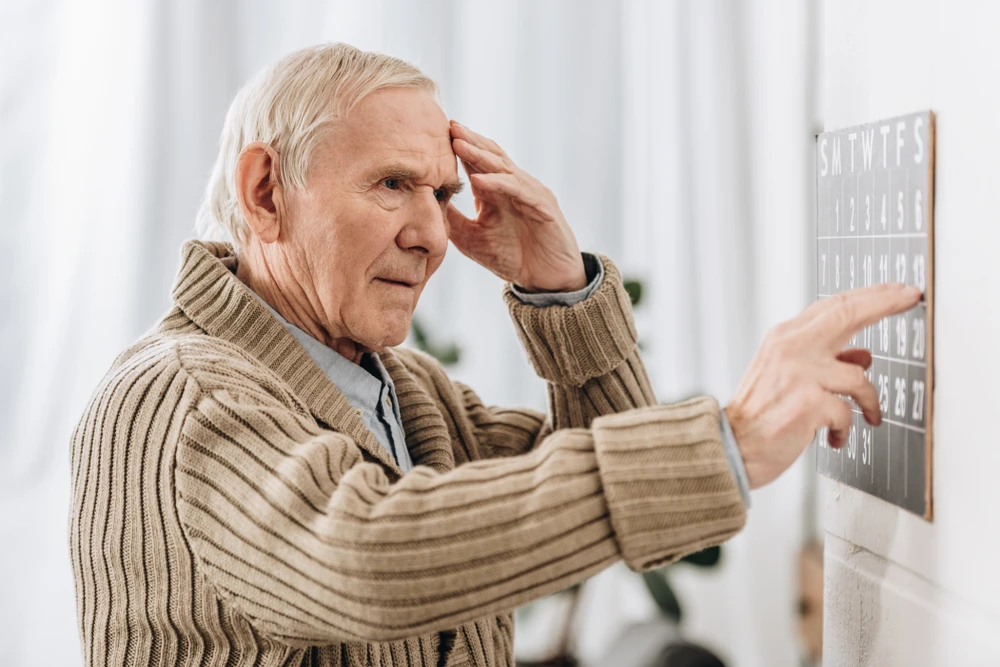
Understanding the Early Signs of Dementia in Seniors
Dementia doesn’t appear suddenly; it tends to develop gradually. Early symptoms might be subtle, making it hard to distinguish from normal aging. However, being aware of these changes can lead to earlier diagnosis and better management. The most common form of dementia is Alzheimer’s disease, but there are other types like vascular dementia or Lewy body dementia, each with slightly different signs.
Common Early Signs to Watch For
- Memory loss that disrupts daily life: Forgetting recently learned information, important dates, or repeatedly asking for the same information.
- Difficulty planning or solving problems: Trouble following a familiar recipe or managing monthly bills.
- Confusion with time or place: Losing track of dates, seasons, or forgetting where they are.
- Problems with speaking or writing: Struggling to find the right words or following conversations.
- Misplacing things and losing the ability to retrace steps: Putting items in unusual places and being unable to find them again.
- Decreased judgment or decision-making: Poor financial choices or neglecting personal hygiene.
- Withdrawal from social activities: Losing interest in hobbies, work, or social engagements.
- Changes in mood or personality: Becoming confused, suspicious, depressed, fearful, or anxious.
How to Support Your Loved Ones When You Notice Signs of Dementia in Seniors
Noticing these signs can be overwhelming. The key is to approach the situation with empathy and practical steps to support your loved one’s independence and safety.
Start with a Medical Evaluation
If you observe any of these signs, encourage a visit to the primary care physician or a neurologist who specializes in cognitive disorders. Early diagnosis can open doors to treatments that might slow progression and provide access to clinical trials. The Alzheimer’s Association offers a helpful best vitamins for seniors.
Create a Safe and Supportive Environment
Seniors with early dementia benefit from routines and environments that minimize confusion and frustration. Consider the following tips:
- Keep frequently used items in the same place.
- Use labels or signs to help identify rooms or cupboards.
- Maintain a daily schedule that includes time outdoors and social interaction.
- Install motion-sensor lights and use technology like GPS trackers if wandering is a concern.
Encourage Brain-Healthy Habits
Research from the National Institute on Aging suggests that staying mentally and physically active can help preserve cognitive function longer. Encourage activities such as:
- Puzzles, card games, or learning new skills.
- Regular walks, swimming, or gentle exercise.
- Social activities, even if virtual, to reduce isolation.
Products like the GrandPad tablet, designed specifically for seniors, can help keep them connected with family and mentally engaged in an easy-to-use format.
Recognizing the Different Types and Signs of Dementia in Seniors
While Alzheimer’s is the most well-known, different types of dementia may show unique signs, which can help families and doctors tailor care approaches:
Alzheimer’s Disease
This type often starts with memory loss and difficulty learning new information. As it progresses, language, reasoning, and perception problems become more apparent.
Vascular Dementia
Caused by reduced blood flow to the brain, signs include confusion, difficulty concentrating, and sudden changes, especially following strokes.
Lewy Body Dementia
This form may show hallucinations, sleep disturbances, and muscle stiffness, alongside cognitive decline.
Frontotemporal Dementia
Marked by changes in personality, behavior, and language, it often affects younger seniors and progresses differently than Alzheimer’s.
What Seniors Are Saying
Mary, 72: “I noticed I kept forgetting appointments, but I thought it was just stress. When my daughter gently pointed it out, I agreed to see a doctor. Getting help early made me feel less alone in this.”
James, 78: “I started losing track of the days and sometimes forgot where I put my keys. My family helped me set up reminders on my phone and bought me a pill organizer. It’s been a huge help.”
Linda, 69: “I was worried about my mom’s mood swings and memory lapses. Learning about the signs of dementia in seniors helped us find support groups and make her home safer.”
FAQ: Understanding Signs of Dementia in Seniors
Q1: How can I tell if memory loss is normal aging or a sign of dementia?
A: Occasional forgetfulness is common as we age, such as misplacing keys or forgetting a name but remembering later. Signs of dementia usually involve frequent memory loss that disrupts daily life, like forgetting important dates or repeatedly asking the same questions.
Q2: Are there any medications that can help slow dementia?
A: Yes, medications like Donepezil (Aricept) or Memantine (Namenda) can help manage symptoms in certain types of dementia. While they don’t cure dementia, they may improve quality of life when started early. A healthcare provider can discuss options based on individual needs.
Q3: What should I do if I suspect a family member is showing signs of dementia?
A: Start by gently expressing your concerns and encouraging a medical evaluation. Support them through the process, learn about local resources, and consider joining caregiver support groups. Early intervention provides more options for care and support.
Recognizing the early signs of dementia in seniors empowers families to offer compassion, support, and practical help when it matters most. By staying informed and attentive, you can create a positive environment that honors your loved one’s dignity and enhances their well-being. For more insights on senior health and caregiving, check out our how to improve sleep for seniors.